Key takeaways
- The Winter season in colour analysis is defined by cool, high-intensity hues and a naturally strong contrast between skin, eyes and hair
- Three distinct sub-types exist: Cool Winter (icy and pure palette), Deep Winter (rich, dark tones) and Bright Winter (vibrant, highly saturated colours)
- Each sub-type has its own specific palette that enhances your natural colouring
- Warm and earthy tones work against Winter colouring, they dull the complexion
- Silver jewellery and cool-toned metals are your natural allies
Have you ever noticed that some colours make you look instantly more awake, vibrant and put-together, while others seem to drain the life from your face? This isn't random. It comes down to your personal colour harmony, the relationship between your natural skin undertone, eye colour and hair depth. If you have a cool undertone, a high natural contrast, and if intense, saturated colours suit you far better than muted or earthy ones, there's a strong chance you're a Winter type.
Winter colouring spans an enormous range of complexions across the UK, from fair-skinned individuals with dark hair and ice-blue eyes, to medium olive complexions with cool undertones, to deep ebony skin with blue-black depths. What unites all Winter types is the cool foundation of their natural palette and the inherent intensity of their colouring.
This guide will help you identify your Winter sub-type, understand your ideal colour palette, and apply that knowledge confidently across clothing, makeup and accessories.
- Understanding Winter colour analysis: origins and fundamentals
- Physical characteristics of the Winter type
- Cool Winter: the icy palette
- Deep Winter: richness and depth
- Bright Winter: clarity and saturation
- Comparison table: three Winter sub-types
- Makeup and beauty for Winter types
- Fashion, accessories and jewellery
- How to identify your Winter sub-type
- Frequently asked questions
Understanding Winter colour analysis: origins and fundamentals
Seasonal colour analysis traces its roots to Johannes Itten, a Swiss artist and colour theorist who taught at the Bauhaus in the 1920s. Itten observed that each person has a natural colour harmony corresponding to one of the four seasons. This theory was later expanded and refined into a twelve-season system that allows for far more precise personal analysis, and it's this framework that professional colour analysts in the UK work with today.
The Winter season is defined by three core qualities: coolness (the palette contains no warm golden undertones), high intensity (saturated colours are flattering rather than overpowering) and often strong contrast (between the depth of hair, skin and eye colour). It's one of the few seasonal types that can wear pure black and pure white with equal ease, colours that dominate or drain most other complexions.
Unlike the warm seasons (Spring and Autumn), which thrive in golden, earthy tones, the Winter palette is built around icy metallics, jewel tones and vivid cool hues. If you're a Winter type, you'll have noticed that silver jewellery makes your complexion glow, while yellow gold can look slightly out of place, as if it belongs to someone else entirely.
Physical characteristics of the Winter type
Seasonal type is never determined by a single feature in isolation, it's the combination of your natural colouring across skin, hair and eyes that matters.
Skin and undertone
Winter complexions range from very fair to very deep. The defining factor is always the undertone: cool, meaning your skin has pink, blue or violet-tinged depths rather than golden ones. Some Winter types have porcelain-pale skin; others have cool olive or cool-toned deep complexions, including cool ebony and cool Asian skin tones.
You may find that you tend to burn rather than tan, or that when you do tan, the result looks ashy or grey-toned rather than golden. The veins on your inner wrist will appear distinctly blue-violet in natural light, one of the clearest indicators of a cool undertone.
Eyes
Winter eyes tend to be striking and high contrast. Common eye colours include icy blue, steel grey, cool emerald green, cool brown (without warm golden flecks) and very deep almost-black brown. The white of the eye typically provides a sharp contrast with the iris, creating an unusually expressive, piercing quality.
Hair
The defining characteristic of Winter hair is the complete absence of warm golden or copper tones. Natural Winter hair might be black with blue-black depths, dark ash brown, cool medium brown, platinum blonde or silver-grey. Even if you lighten your hair, warm tones, honey, chestnut, auburn, will tend to look artificial or slightly off.
For a deeper understanding of cool undertones and how they influence all your colour choices, see our complete guide to cool-undertone colour analysis.
Cool Winter: the icy palette
Cool Winter (sometimes called True Winter) is the most archetypal expression of the Winter season. If you belong to this sub-type, your natural palette is dominated by icy, saturated tones with no warm influence whatsoever.
Physical profile
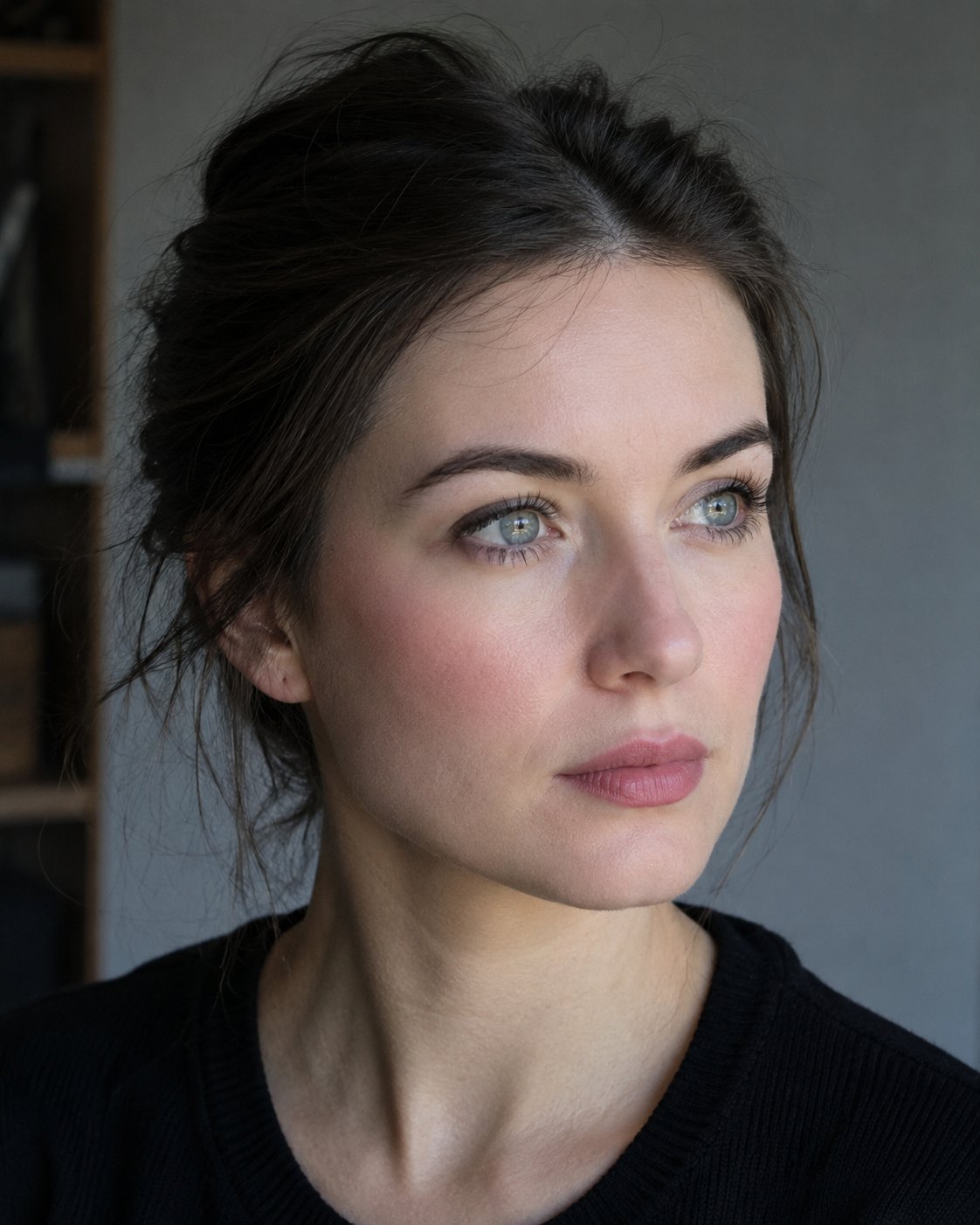
You likely have a fair to medium complexion with noticeable pink or blue-toned depths. Your eyes are a cool blue, steel grey or icy emerald green. Your hair has pronounced ashy tones: ash brown, cool dark brown, blue-black, or platinum blonde. The contrast between your skin tone and hair depth is typically medium to high.
Cool Winter colour palette
Your signature colours include:
- Pure black and pure white: few seasonal types can wear both with equal ease, you're one of them
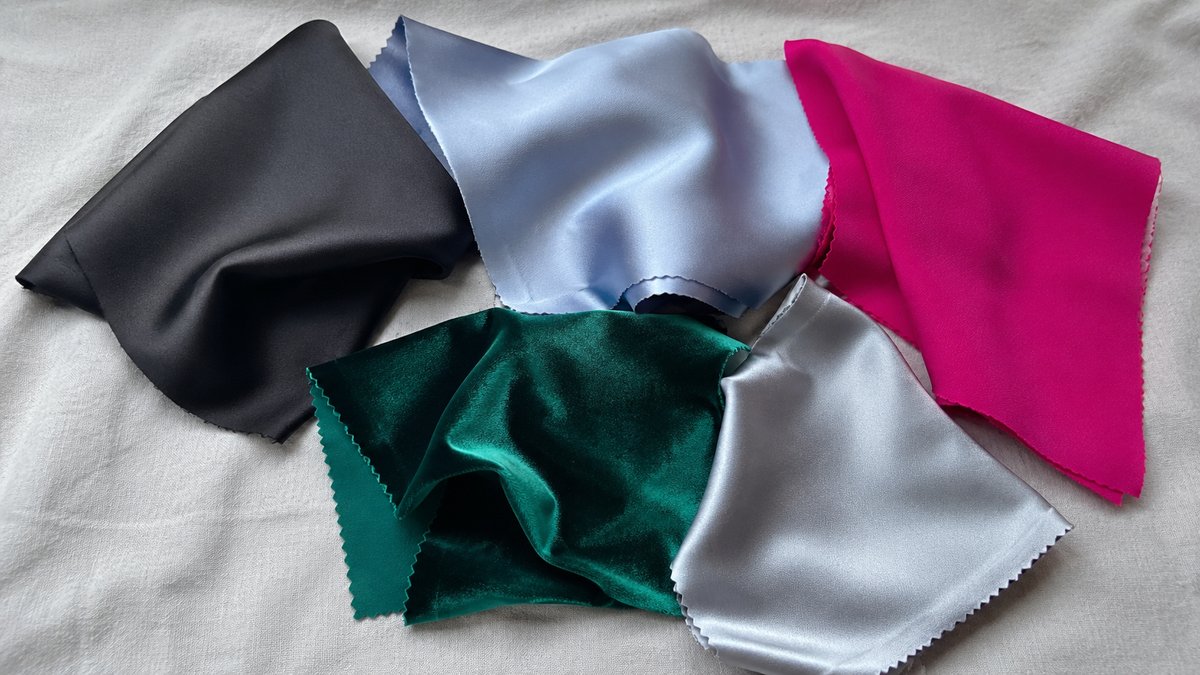
- Royal blue, electric blue, deep navy: clear, saturated blues light up your complexion immediately
- Hot pink, fuchsia, magenta: cool-toned, vivid pinks are among your most flattering choices
- Emerald green, pine green, cool forest green: deep, cool greens reinforce your natural harmony
- Garnet, cherry red, cool burgundy: always the blue-toned reds, never orange-based ones
- Plum, royal purple, cool lavender
- Charcoal grey, silver grey
Colours to avoid: all warm tones (orange, coral, peach, golden yellow), beige, camel, warm brown, and warm pastels such as warm blush pink or warm sky blue.
"I'm also a bright winter! Pastels a big no no for me though."
Deep Winter: richness and depth
Deep Winter has a darker, richer palette than the other Winter sub-types. If you're a Deep Winter, you may share certain traits with the Autumn season, particularly an affinity for luxurious, weighty colours, but your undertone remains decisively cool.
Physical profile
Deep Winters typically fall into one of two patterns: high contrast between fair or medium skin and very dark hair and eyes, or an all-dark harmony where skin, hair and eyes are all deep with cool undertones. Complexions range from cool ivory to cool olive to deep ebony.
Deep Winter colour palette
Your ideal colours are:
- Intense black: your absolute signature, no other colour unlocks your presence like this one
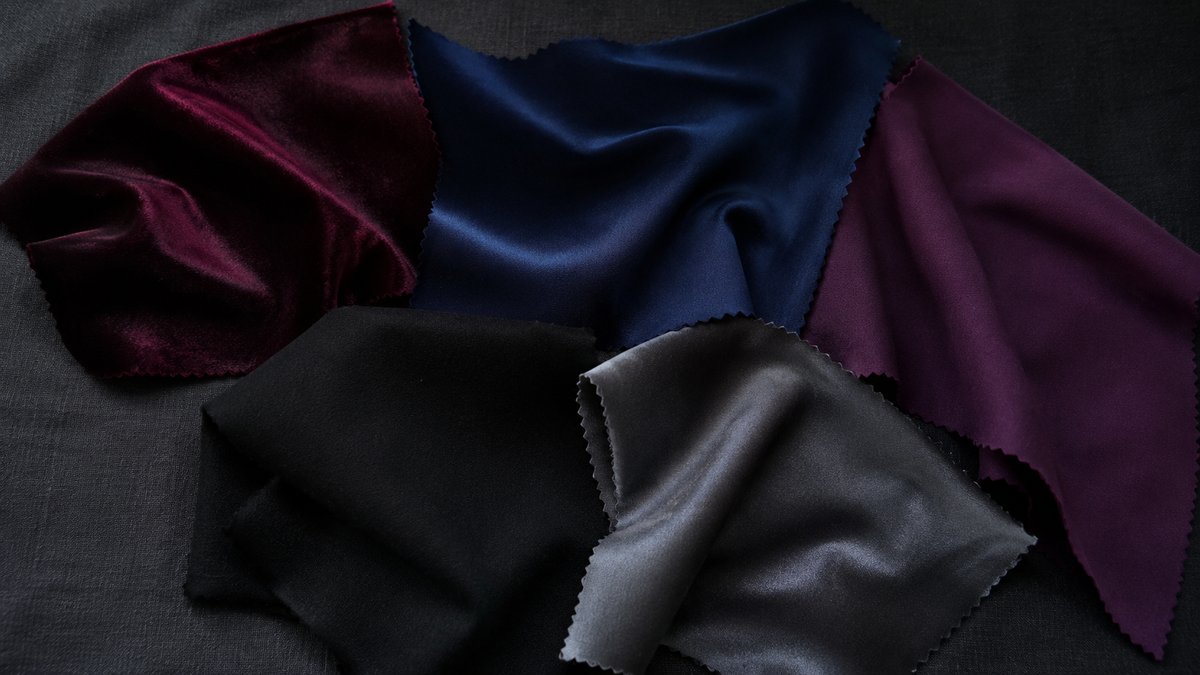
- Deep burgundy, plum, aubergine: rich reds and violets are enormously flattering
- Midnight blue, deep navy, petrol blue
- Dark forest green, cool hunter green, deep emerald
- Imperial purple, deep violet
- Cool dark chocolate (only when it reads nearly black, not warm brown)
- Charcoal, dark silver, gunmetal
- Ruby red, wine red
Colours to avoid: light shades that wash you out (pastels, off-white, light beige), warm golden tones (camel, rust, terracotta) and copper or gold metallics.
"I loved the winter colours and wore them constantly, lots of black, blues and purples."
For a broader view of seasonal palettes and how they differ, our complete guide to colour analysis seasons will help you refine your personal diagnosis.
Bright Winter: clarity and saturation
Bright Winter (also known as Clear Winter) is the most vibrant and saturated of the Winter sub-types. Where a Cool Winter wears royal blue with elegance, a Bright Winter wears cobalt blue at full intensity, and looks completely at ease doing so.
Physical profile
Bright Winters are defined by an extremely high contrast between their features. The eyes are often arrestingly vivid, electric blue, brilliant green, or very deep dark brown with a particular spark. Hair tends to be dark (black, very dark brown) or occasionally platinum blonde, but always with a sharp, clear quality to it. The complexion may be fair to medium with a strong cool undertone.
Bright Winter colour palette
Your signature colours include:
- Pure white and jet black: absolute contrast is your natural element
- Electric blue, cobalt blue, cool turquoise: the most vivid blues in the entire colour spectrum
- Hot magenta, intense fuchsia, shock pink
- Brilliant emerald green, cool kelly green
- Cool vivid red, cherry red
- Vivid royal purple, bright violet
- Cool lemon yellow: the only yellow you can wear, provided it's cool-toned and highly saturated
Colours to avoid: muted or dusty shades (you need saturation), warm tones (coral, salmon, peach, gold) and earthy or murky hues.
For a clearer understanding of how to distinguish warm from cool colours in practice, see our guide to colour temperature in colour analysis.
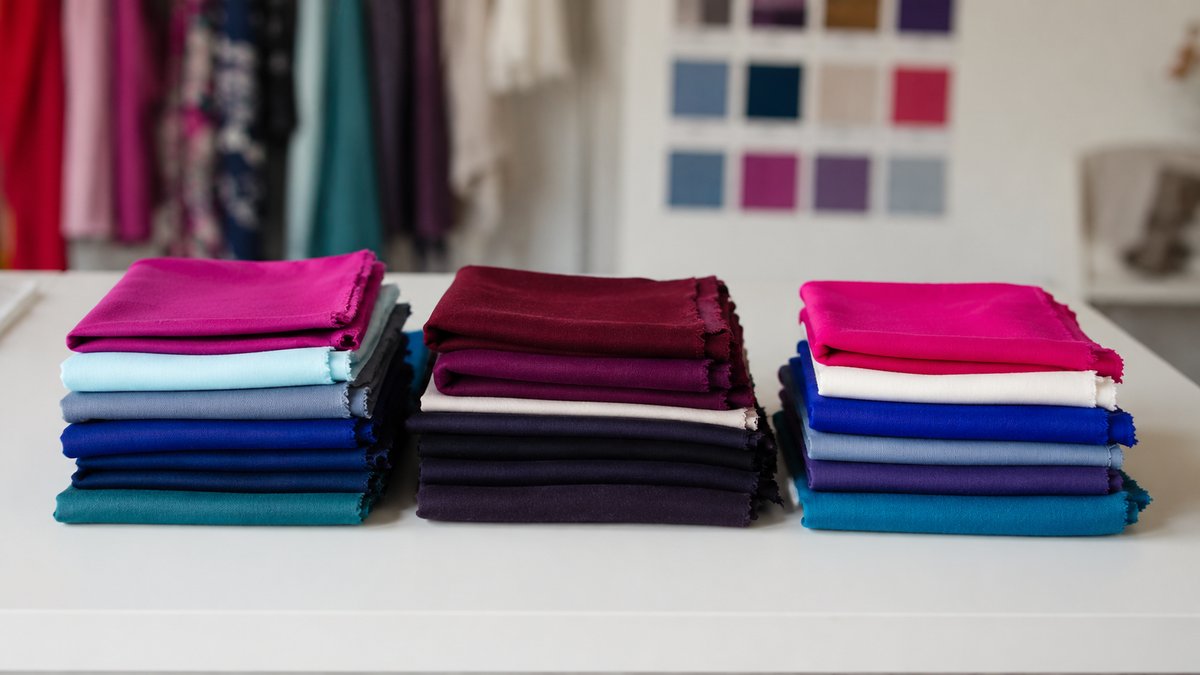
Comparison table: three Winter sub-types
| Characteristic | Cool Winter | Deep Winter | Bright Winter |
|---|---|---|---|
| Defining quality | Pure coolness | Depth and richness | Contrast and vibrancy |
| Natural contrast level | Medium to high | High or all-dark | Very high |
| Colour intensity | Saturated, icy | Rich, deep | Highly saturated, brilliant |
| Signature colours | Royal blue, fuchsia | Black, burgundy, plum | Magenta, electric blue |
| Best metals | Silver, platinum | Dark silver, gunmetal | Bright silver, chrome |
| Avoid above all | Warm tones, warm pastels | Light shades, golden tones | Muted tones, warm shades |
Makeup and beauty for Winter types
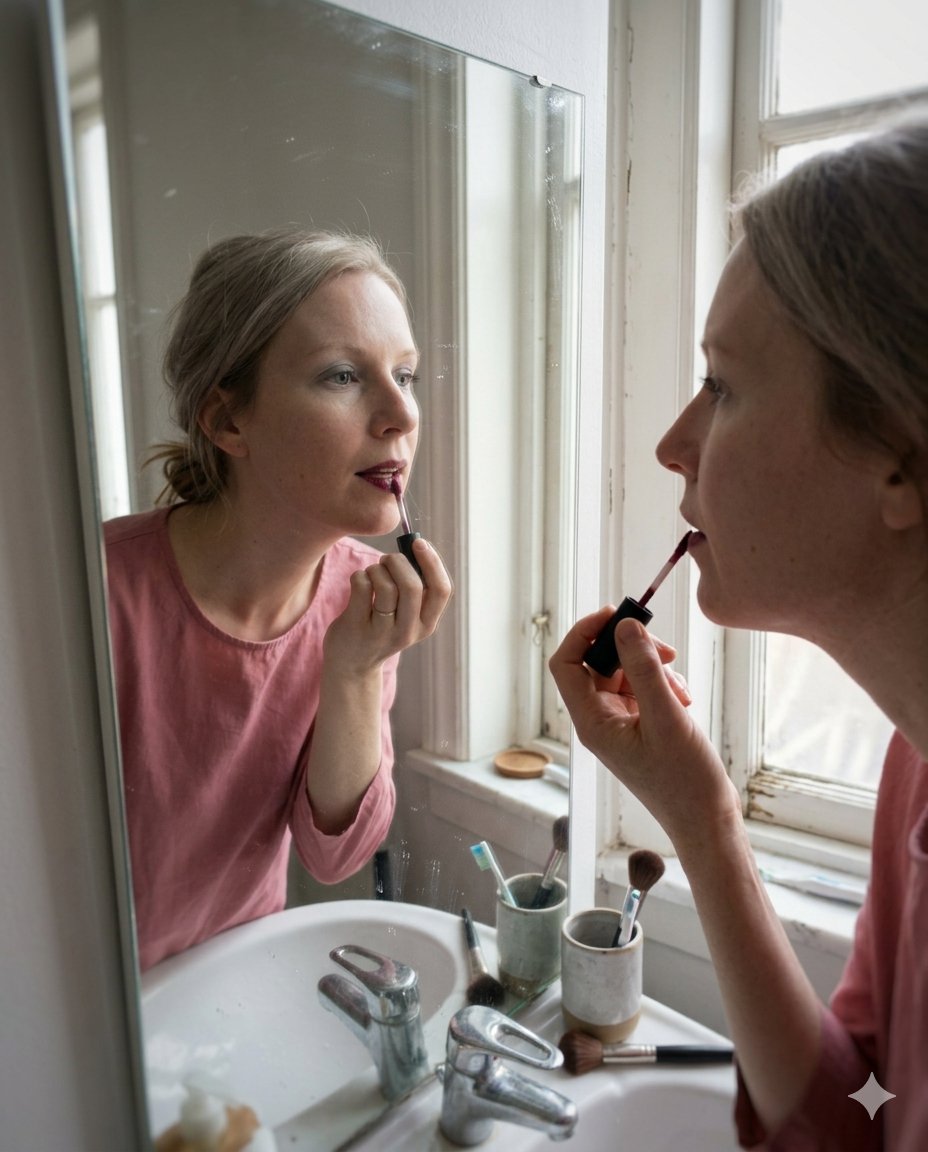
Winter makeup follows the same principle as your wardrobe: cool-toned, clean and intense. The wrong foundation undertone or a warm-toned blush can undermine the harmony your outfit creates.
Foundation and base
Choose a foundation with a cool or neutral-cool undertone: pink-based or cool-neutral, never golden or yellow. Formulas that read too warm will make your complexion look sallow or slightly green-tinged against your naturally cool skin. When testing, apply a small amount to your jawline in natural daylight: the right shade should vanish completely.
Blush
For Cool Winter: fuchsia, raspberry, cool plum
For Deep Winter: burgundy, deep berry, intense plum
For Bright Winter: shocking pink, vivid magenta, cherry
Avoid peach, coral, apricot or any warm-toned blush entirely.
Lips
Lipstick is one of the most rewarding categories for Winter types. Your range includes:
- Blue-based reds: cherry, wine, ruby, garnet
- Cool pinks: raspberry, fuchsia, magenta
- Plum and aubergine: particularly flattering on Deep Winters
- Cool nude: rosy taupe, mauve, never warm beige
Avoid orange-based reds, coral, warm nudes and peach tones entirely.
"It has made me confident with lipstick and explained why I have never found a nude lipstick that suits me!"
Eyes
For eyeshadow, your palette is: charcoal grey, silver, cool blue, violet, plum and cool rose. Black and dark grey eyeliner are your most reliable choices. Avoid golden, copper, bronze or terracotta shadows, they warm your eye area in a way that conflicts with your undertone.
Mascara in black or very dark grey is ideal. A warm brown mascara can work if it reads extremely cool, but black remains your safest bet.
Hair colour
If you colour your hair, stay firmly in the cool register: ash brown, cool dark brown, blue-black, platinum blonde, or a confident silver-grey. Violet, blue or ash highlights suit you particularly well.
Absolutely avoid warm highlights: golden, honey, auburn or copper tones will work against your natural harmony. For more on this topic, see our guide to hair colour choices by colour season.
Want to benefit from a personalised analysis and tailored advice from a professional? Discover our colour analysis experts across the UK, in London, Manchester, Birmingham, Edinburgh, Glasgow, Bristol, Leeds and beyond.
Fashion, accessories and jewellery
Building your Winter wardrobe
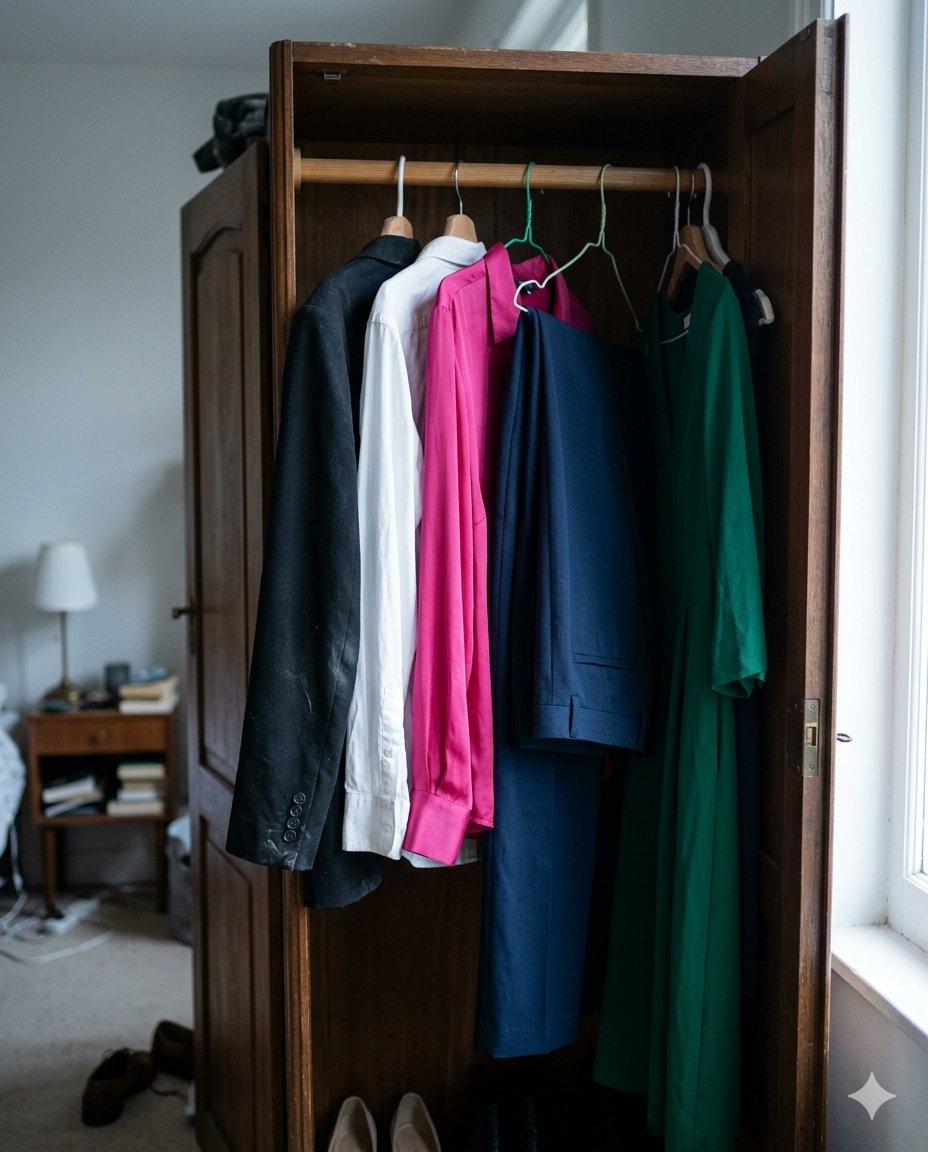
A cohesive Winter wardrobe is built on a foundation of your natural neutrals: black, pure white, charcoal and deep navy. These work as genuine basics for Winter types in a way that beige or camel never quite manage. From that base, add your signature colours depending on your sub-type: fuchsia and royal blue for Cool Winter, burgundy and plum for Deep Winter, vivid magenta and emerald for Bright Winter.
Prints that suit you: sharp geometric patterns, high-contrast black-and-white stripes, graphic abstract prints in cool vivid colours. Avoid warm-toned florals, earthy ethnic prints and the classic beige-brown cashmere palette.
For outerwear, black is your most dependable choice, but don't shy away from electric blue, garnet or royal purple coats depending on your sub-type.
Jewellery and metals
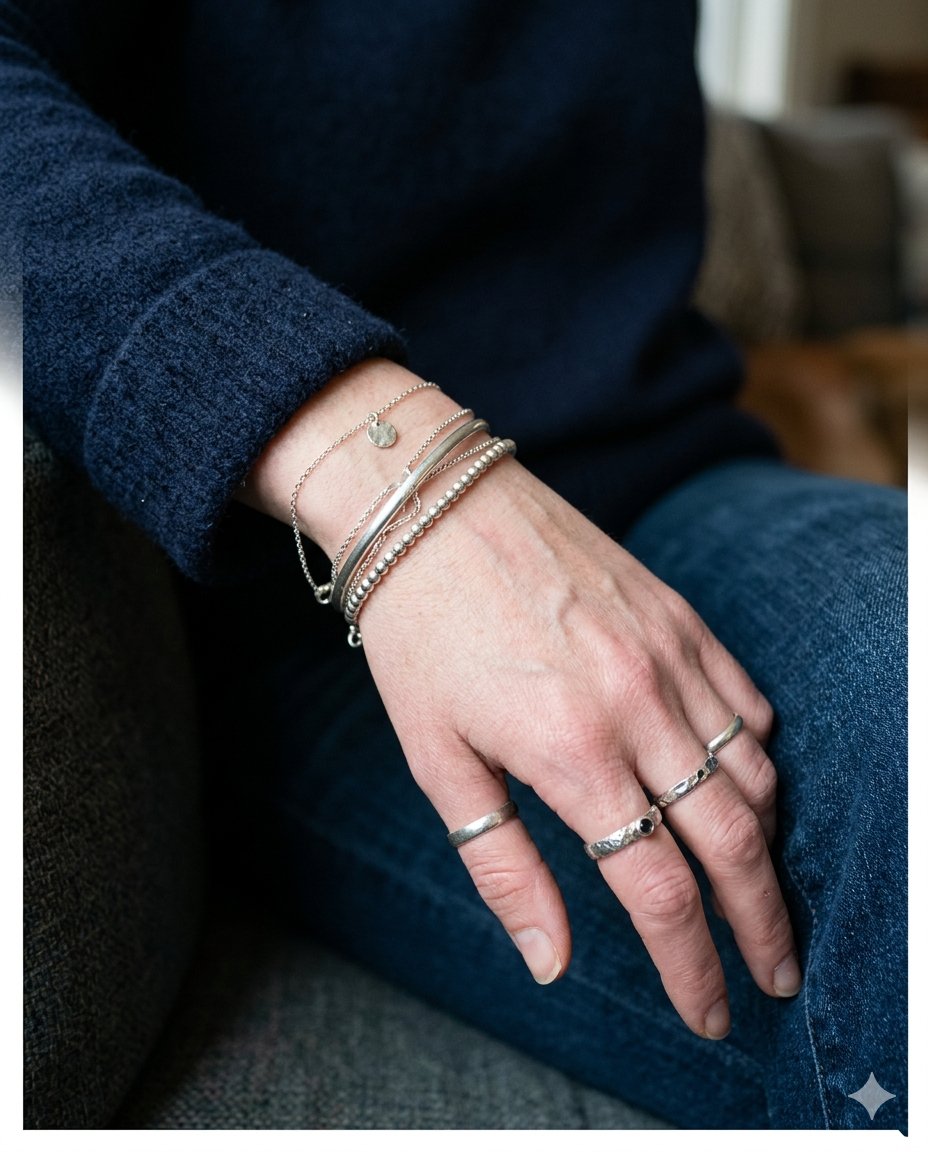
Winter types shine in silver-toned metals: sterling silver, platinum, white gold and cool-toned rose gold. Chrome, stainless steel and gunmetal (particularly well-suited to Deep Winters) all work beautifully.
Traditional yellow gold tends to warm your complexion in a way that jars with your natural harmony. If you want to wear gold, opt exclusively for white gold or a very cool-toned rose gold.
"I've never been drawn to silver jewellery but now it's the type I need to look at!"
Gemstones that enhance you: diamond, sapphire, emerald, cool-toned ruby, amethyst, tanzanite, aquamarine, blue topaz. Avoid warm-toned stones: citrine, coral, golden topaz, amber.
Glasses, nails and finishing details
For eyewear frames, choose black, silver, dark grey or your signature hues (cool blue, violet, fuchsia). Avoid tortoiseshell, camel or warm brown frames.
Nail polish colours that work: cool red, plum, cool pink, grey, black, cool rosy nude. Avoid warm beige, peach, coral and orange shades.
How to identify your Winter sub-type
You've identified with the Winter season, but which of the three sub-types is yours? Here's a practical method for narrowing it down.
Step 1: Assess your natural contrast
Stand in front of a mirror in natural daylight. How much contrast exists between your skin tone, eye colour and hair depth?
- Medium to high contrast, with a generally fair to medium overall palette → likely Cool Winter
- Very high contrast OR an all-dark harmony (deep skin, eyes and hair) → likely Deep Winter
- Extreme contrast with intensely vivid natural colouring → likely Bright Winter
Step 2: Test your colours
Hold fabric swatches or garments next to your bare face in natural daylight (without makeup if possible):
- If fuchsia and royal blue illuminate your skin with a pure, icy clarity → Cool Winter
- If deep burgundy and black flatter you more than lighter shades → Deep Winter
- If vivid magenta and electric blue make your eyes genuinely glow → Bright Winter
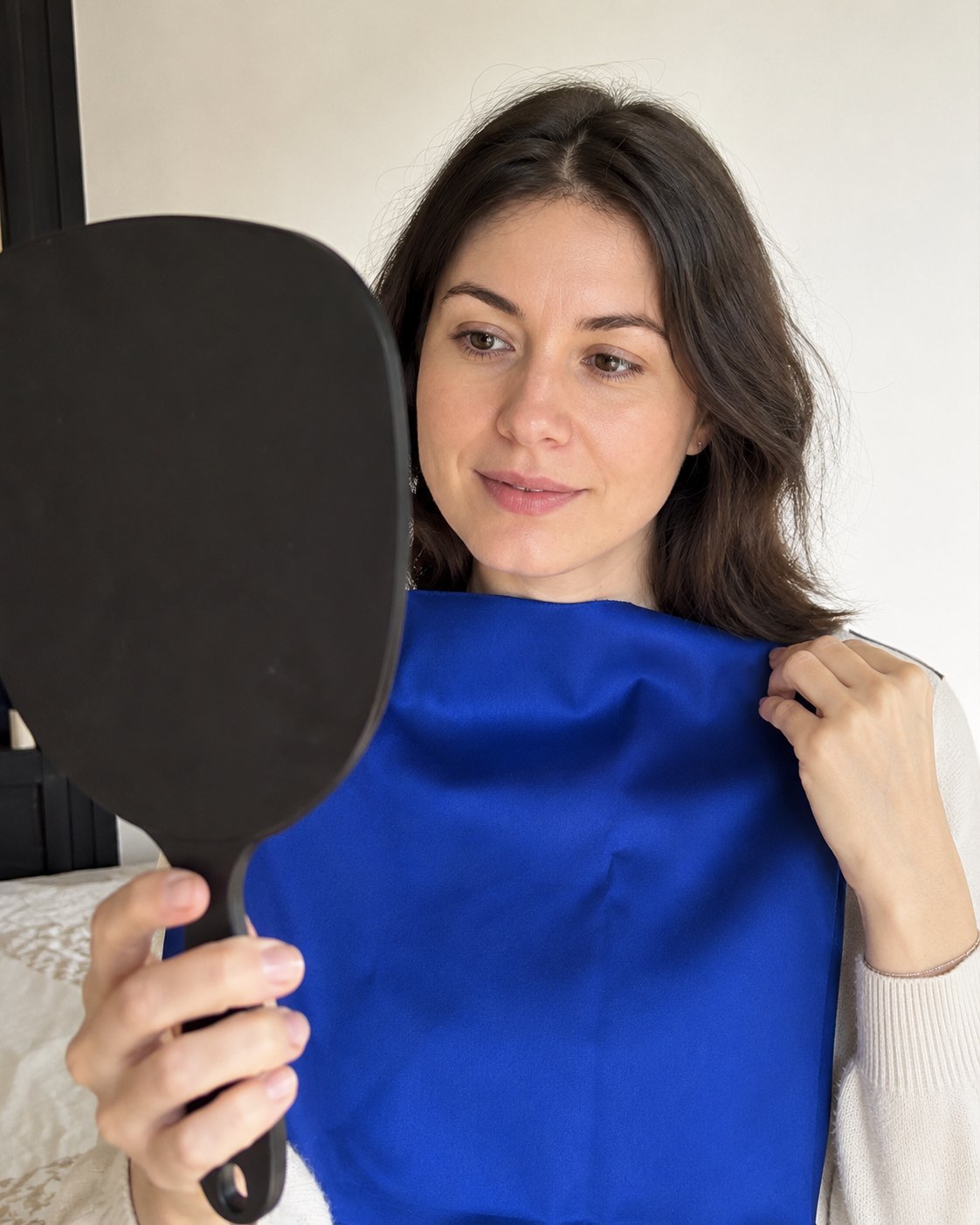
Step 3: Observe your reaction to metals
Hold bright silver next to your face, then dark silver or gunmetal. If the darker metal flatters you more, you're likely Deep Winter. If the bright, reflective silver suits you better, you're more likely Cool Winter or Bright Winter.
Step 4: Gauge your ideal saturation
Do you look best in pure saturated shades (Cool Winter), deep rich tones (Deep Winter), or hyper-vivid, almost electric colours (Bright Winter)?
If you're still uncertain, that's entirely normal, some people genuinely sit at the boundary between two sub-types. For a more precise diagnosis, consider working with a professional colour analyst. You can also explore our comparison of the best free online colour analysis tests.
Frequently asked questions
What is Winter colour analysis?
Winter colour analysis is one of twelve seasonal colour types, characterised by a cool undertone, high colour intensity and often a strong natural contrast between skin, eyes and hair. Winter types look most vibrant in cool, saturated shades: black, pure white, royal blue, fuchsia, garnet and emerald green. The season divides into three sub-types, Cool Winter (icy palette), Deep Winter (dark, rich tones) and Bright Winter (vivid, highly saturated colours).
How do I know if I'm a Winter colour type?
Start by looking at the veins on your inner wrist in natural daylight: if they appear distinctly blue-violet, your undertone is cool. Then test fabric swatches near your face: if cool, saturated colours (fuchsia, royal blue, black) make you look more alive and radiant while warm tones (orange, camel, gold) make you look washed out or sallow, Winter is very likely your season. A marked contrast between your skin tone and your hair colour is another strong indicator.
What colours should Winter types avoid?
All warm-toned shades conflict with Winter colouring: orange, coral, peach, salmon, golden yellow, warm beige, camel, warm brown, terracotta and rust. Avoid warm pastels too (warm blush, dusty rose, warm sky blue) as they tend to drain the complexion. When choosing between versions of a colour, always opt for the cooler reading: blue-toned red rather than orange-red, emerald green rather than warm olive.
What's the difference between Cool Winter, Deep Winter and Bright Winter?
Cool Winter has the purest icy palette, saturated, cool, high-contrast (royal blue, fuchsia). Deep Winter leans into dark richness rather than brightness, burgundy, black, plum, very deep tones. Bright Winter is defined by maximum saturation, the sub-type that wears the most vivid shades without being overwhelmed (vivid magenta, electric blue). All three share the same cool base, but differ in depth and intensity.
What jewellery suits Winter colour types?
Winter types look best in cool-toned metals: sterling silver, platinum, white gold, cool rose gold, chrome and stainless steel. Traditional yellow gold is generally unflattering as it warms the complexion against the grain of your undertone. For gemstones, diamond, sapphire, emerald, cool ruby, amethyst, tanzanite and aquamarine are all excellent choices. Deep Winters suit gunmetal and dark silver particularly well; Cool and Bright Winters shine in bright, reflective silver finishes.
What makeup should Winter types wear?
Winter makeup should be cool-toned and defined. Choose a cool-undertone foundation (pink-based or cool-neutral). For lips, reach for blue-based reds (cherry, garnet, wine), cool pinks (fuchsia, raspberry) or plum shades. Blush should be cool pink, raspberry or plum depending on your sub-type. Eye shadow: grey, silver, violet, cool blue or plum tones. Black mascara is ideal. Avoid all warm makeup tones, coral, peach, bronze, gold and terracotta all work against you. Nude lip colours should read rosy-mauve, never warm beige.
Ready for a professional analysis that goes beyond self-testing? Our colour analysis experts are available across the UK, in London, Manchester, Birmingham, Edinburgh, Glasgow, Bristol, Leeds, Liverpool and beyond, offering in-person and online consultations tailored to your unique colouring.
Conclusion: dress for your own light
Knowing your Winter sub-type, Cool, Deep or Bright, gives you a reliable framework for every style decision, from the colour of your coat to the shade of your lipstick. You'll spend less time wondering why something "doesn't work" in the changing room and more time reaching confidently for the colours that genuinely suit you.
Colour analysis isn't about restriction, it's about clarity. When you know your palette, you stop wasting money on colours that looked great on the hanger and wrong on your face. Your cool undertone and natural intensity are your greatest style allies; working with them rather than against them is simply the most efficient approach to building a wardrobe you actually love wearing.
Think of these guidelines as a compass, not a rulebook. If a colour outside your palette brings you genuine joy and makes you feel fully yourself, wear it with confidence. Colour analysis illuminates your natural harmony, it doesn't define who you are.