Key takeaways
- Warm or cool colour: the difference lies in the presence of yellow (warm) or blue/grey (cool) within the shade
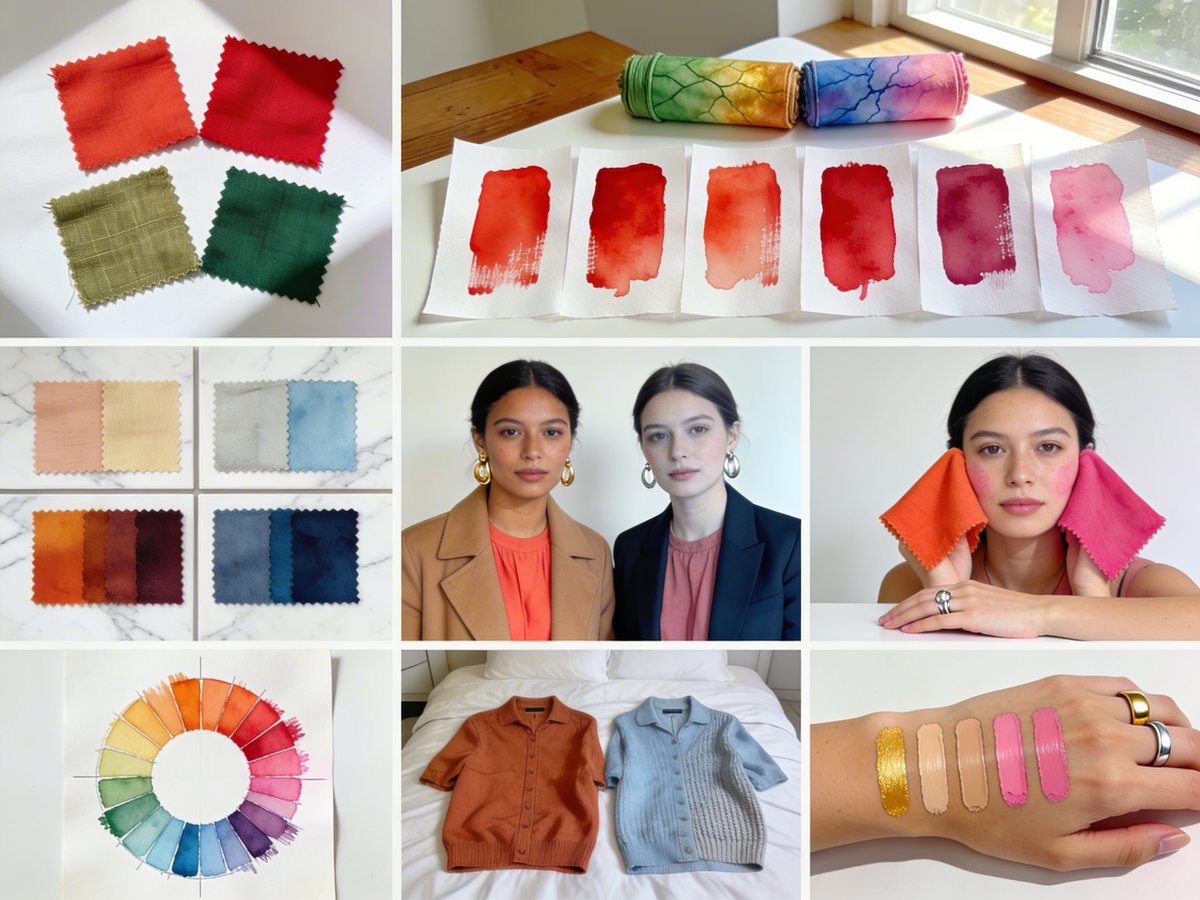
- Three practical tests help you identify your personal undertone: the vein test, the gold vs silver test, and the fabric draping test
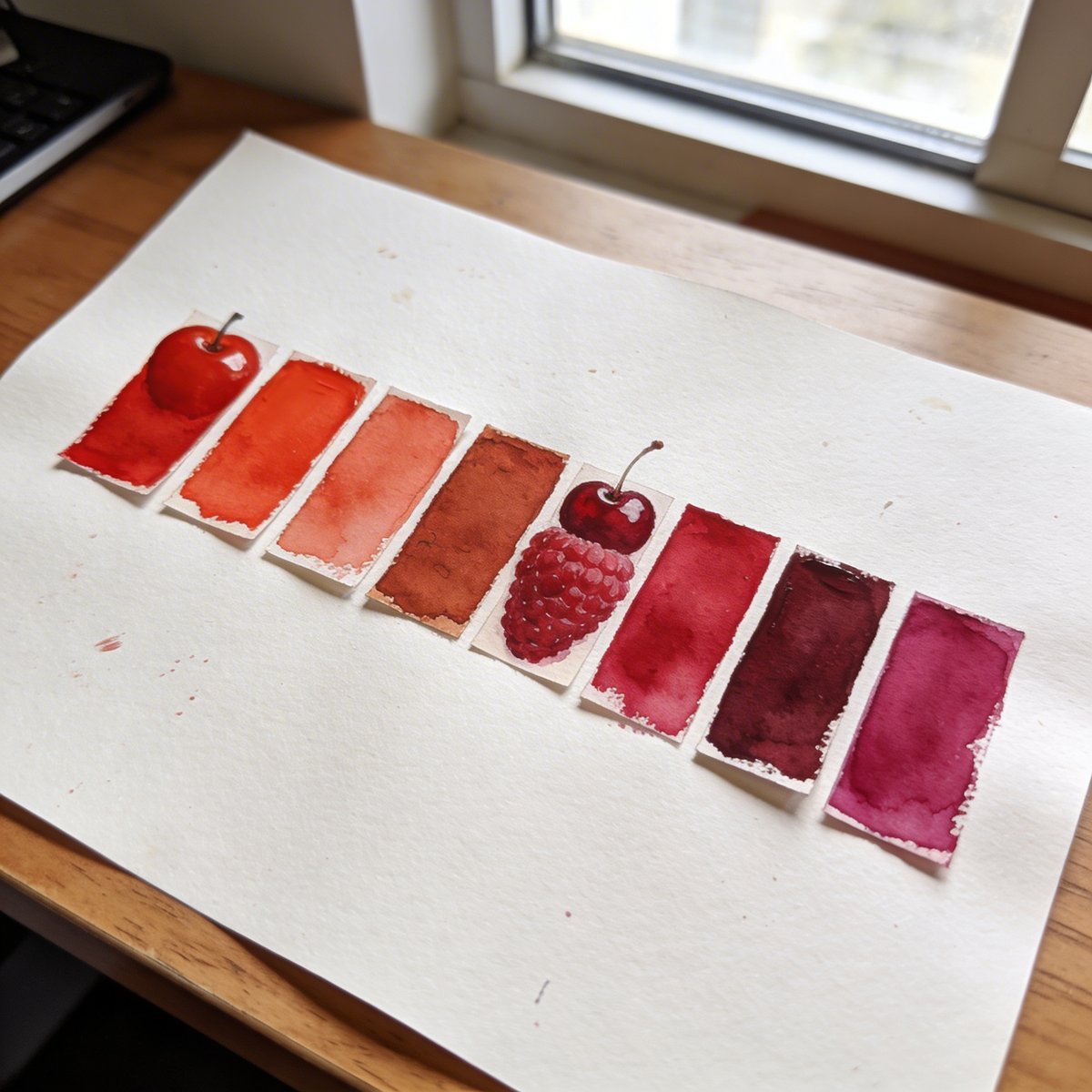
- Every colour exists in a warm and cool version: a red can be tomato (warm) or cherry (cool)
- Wearing the right colours brightens your complexion, reduces the appearance of dark circles and makes your eyes shine, while the wrong shades leave you looking tired
- Spring and Autumn are warm seasons, Summer and Winter are cool, but this is only a starting point for refining your palette
- Understanding colour temperature: what is a warm or cool colour?
- The colour wheel and the warm/cool dividing line
- Every colour has an undertone: warm and cool
- The 3 practical tests to identify your personal undertone
- The 4 colour seasons: a practical application of temperature
- How to apply this every day: clothing, makeup and hair
- Special cases: neutral, mixed and deeper skin tones, common misconceptions
- Frequently asked questions
Have you ever wondered why certain colours instantly make you look radiant, while others leave your face looking drawn? The answer lies in colour temperature and your skin's undertone. Contrary to what many people think, knowing whether you have dark or fair hair is not enough to choose the right shades. What really matters is determining whether your skin has a warm or cool undertone.
This guide explains how to distinguish warm and cool colours in colour analysis, how to identify your own undertone using practical tests you can do at home, and how to apply this knowledge immediately to your wardrobe, makeup and hair colour. Even if this feels abstract right now, the tests and concrete examples in this guide will help you see it clearly in no time.
Understanding colour temperature: what is a warm or cool colour?
In fact, a study by David Perrett and Reiner Sprengelmeyer published in i-Perception (SAGE, 2021) found that 77% of observers naturally associate warm tones with tanned skin and blue tones with fair skin.
In fact, a study by David Perrett and Reiner Sprengelmeyer published in i-Perception (SAGE, 2021) found that 77% of observers naturally associate warm tones with tanned skin and blue tones with fair skin.
Colour temperature has nothing to do with physical heat. It is a visual and psychological perception. A warm colour contains yellow, orange or red-orange in its composition. It evokes the sun, fire, and autumn. A cool colour contains blue, grey or violet at its base. It evokes water, ice and winter.
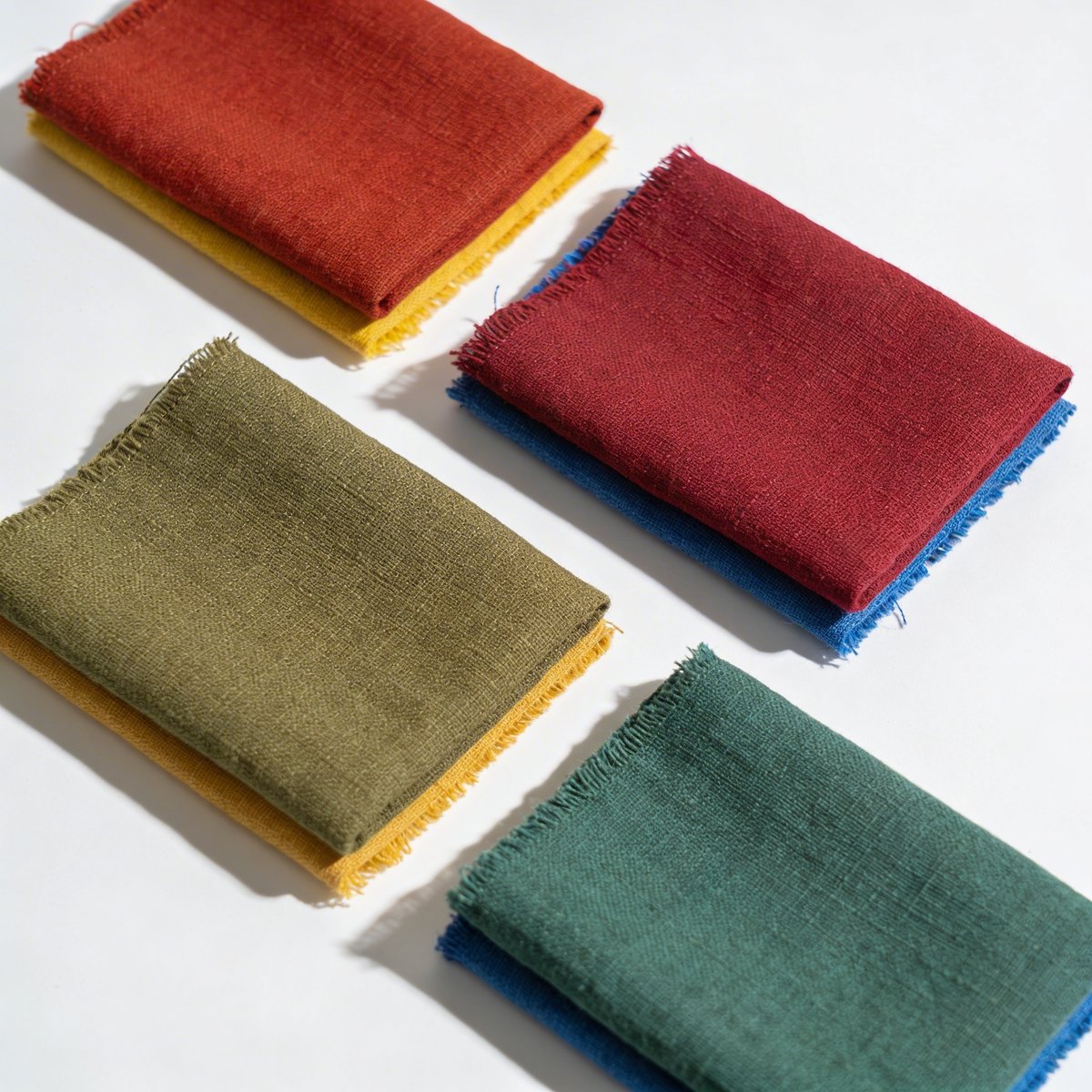
This distinction is not arbitrary. According to research in colour psychology, our perception of chromatic temperature influences our emotional response. Warm colours appear to advance towards us, while cool colours recede visually.
A word of caution: this concept is far more subtle than a simple split between "yellow is warm and blue is cool". The reality is that almost every colour in the spectrum exists in a warm and a cool version, depending on the pigments that make it up. This nuance is what makes all the difference in personal colour analysis.
The colour wheel and the warm/cool dividing line
To visualise the division between warm and cool colours concretely, you need to understand the colour wheel and its primary colours. The warm hemisphere includes colours from red-violet to yellow-green, passing through red, orange and yellow. The cool hemisphere runs from violet to green, passing through blue. If you can detect a yellow-orange dominance in a colour, it belongs to the warm family. If you detect a blue or grey dominance, it is cool.
There is a delicate transition zone around green and violet. That is why you will find warm greens (khaki, olive, moss) with a yellow base, and cool greens (emerald, fir, mint) with a blue base. The same applies to violet: mauve is cool (blue base), while plum leans warm (red base).
| Colour family | WARM version (yellow/orange base) | COOL version (blue/grey base) |
|---|---|---|
| Red | Tomato, poppy, brick, coral | Cherry, raspberry, burgundy, magenta |
| Green | Khaki, olive, moss, chartreuse | Emerald, fir, mint, jade |
| Blue | Turquoise, teal, duck egg | Navy, royal, periwinkle, ice blue |
| Pink | Peach, salmon, coral, apricot | Bubblegum pink, fuchsia, powder pink |
| Purple | Plum, aubergine, reddish violet | Mauve, lavender, lilac, amethyst |
This understanding allows you to stop thinking "I cannot wear red" and instead ask "which type of red suits me?" It opens up your palette of possibilities considerably.
Every colour has an undertone: warm AND cool
This is where many people go wrong. The most common mistake is believing that certain colours are exclusively warm or cool. In reality, almost all the shades we wear are mixtures containing different proportions of pigments.
Take beige, a shade considered "neutral" by many. In reality there are dozens of different beiges: camel beige leans orange (warm), while taupe beige contains grey (cool). Camel beige will warm up your complexion if you have a warm undertone, but will leave you looking tired if you are cool.
This rule applies even to neutral colours like black, white and grey. Black is never truly neutral: pure intense black (cool) suits Winter seasons perfectly, but a slightly brownish or charcoal black (warm) will be more harmonious on Autumns. Similarly, ivory white is warm, while pure blue-toned white is cool.
There is a quick trick to compare two shades: place them side by side in natural light. The temperature difference will become obvious by contrast. You will notice that one leans golden/yellowish and the other leans grey/bluish. This is particularly useful when using a colour swatch or fan to choose a paint or clothing shade.
The 3 practical tests to identify your personal undertone
Unlike your skin tone (fair, medium, deep) which is visible on the surface, your undertone is the subtle hue beneath the skin that stays constant, whether it is summer or winter.
Test 1: The wrist vein test
There is a quick trick that works for the majority of people. Go to natural daylight (not under artificial lighting) and turn your wrists over. Look carefully at the colour of your veins through the skin:
- Greenish veins → your skin has a warm undertone
- Blue-violet veins → you have a cool undertone
- Blue-green veins (difficult to distinguish) → you probably have a neutral undertone
This test works because the colour of your veins directly reveals your skin's hue. If your skin contains more golden-yellow pigments (warm), the blue veins are filtered through the yellow and appear green. If your skin contains pinkish-blue pigments (cool), the veins remain blue or purplish.
Test 2: The gold vs silver test
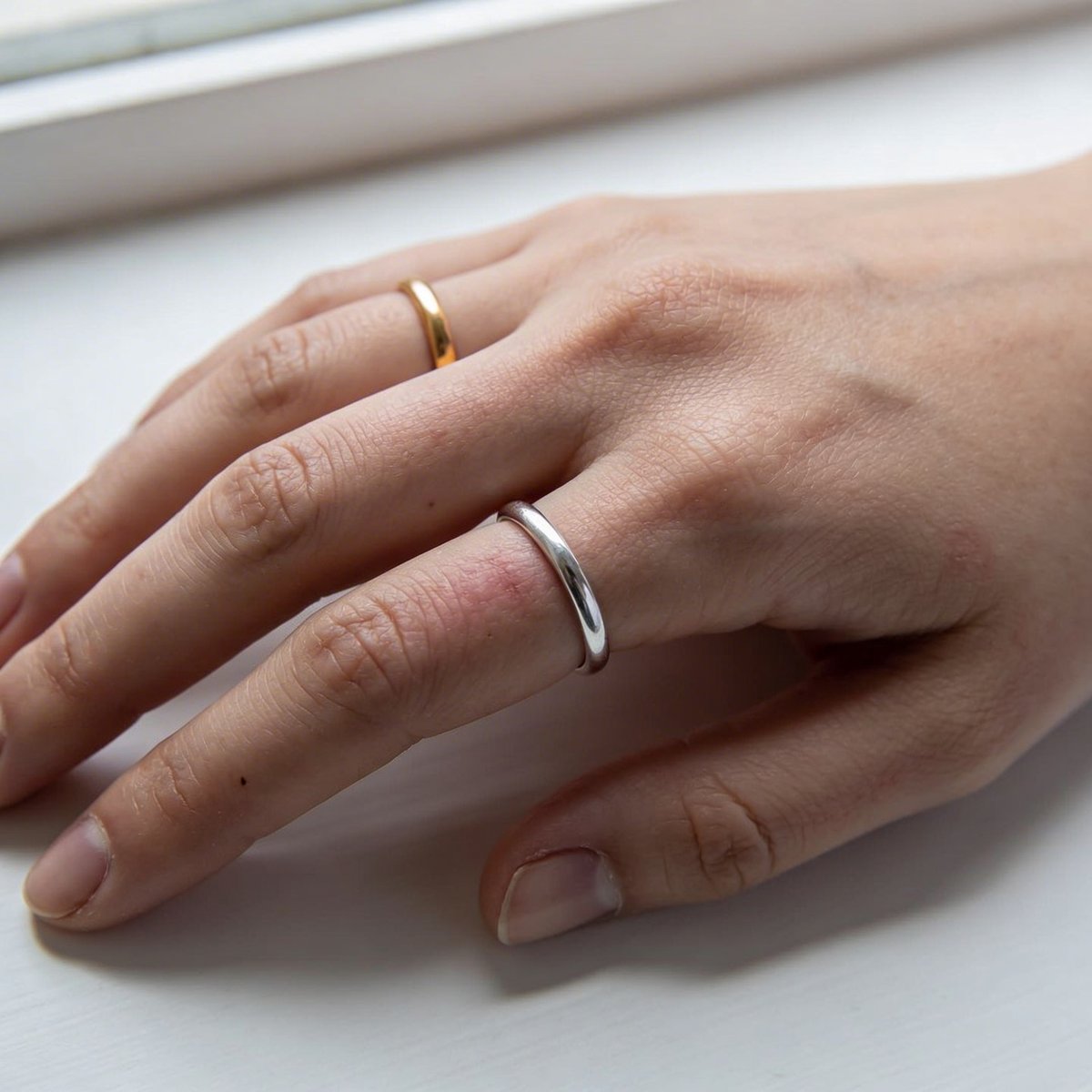
Hold a gold piece of jewellery (or a gold-toned fabric) near your face in natural light, then do the same with a silver piece (or a silver-toned fabric). Do not look at the jewellery itself, observe the effect on your skin:
- Gold brightens your complexion and harmonises your features → warm undertone
- Silver flatters you more and makes your skin look luminous → cool undertone
- Both suit you equally or neither stands out → neutral undertone
This test works because gold contains yellow (warm) and silver contains grey-blue (cool). The metal that harmonises with your undertone creates visual cohesion, while the contrasting one creates a dissonance that tires the face.
Test 3: Draping or fabric test
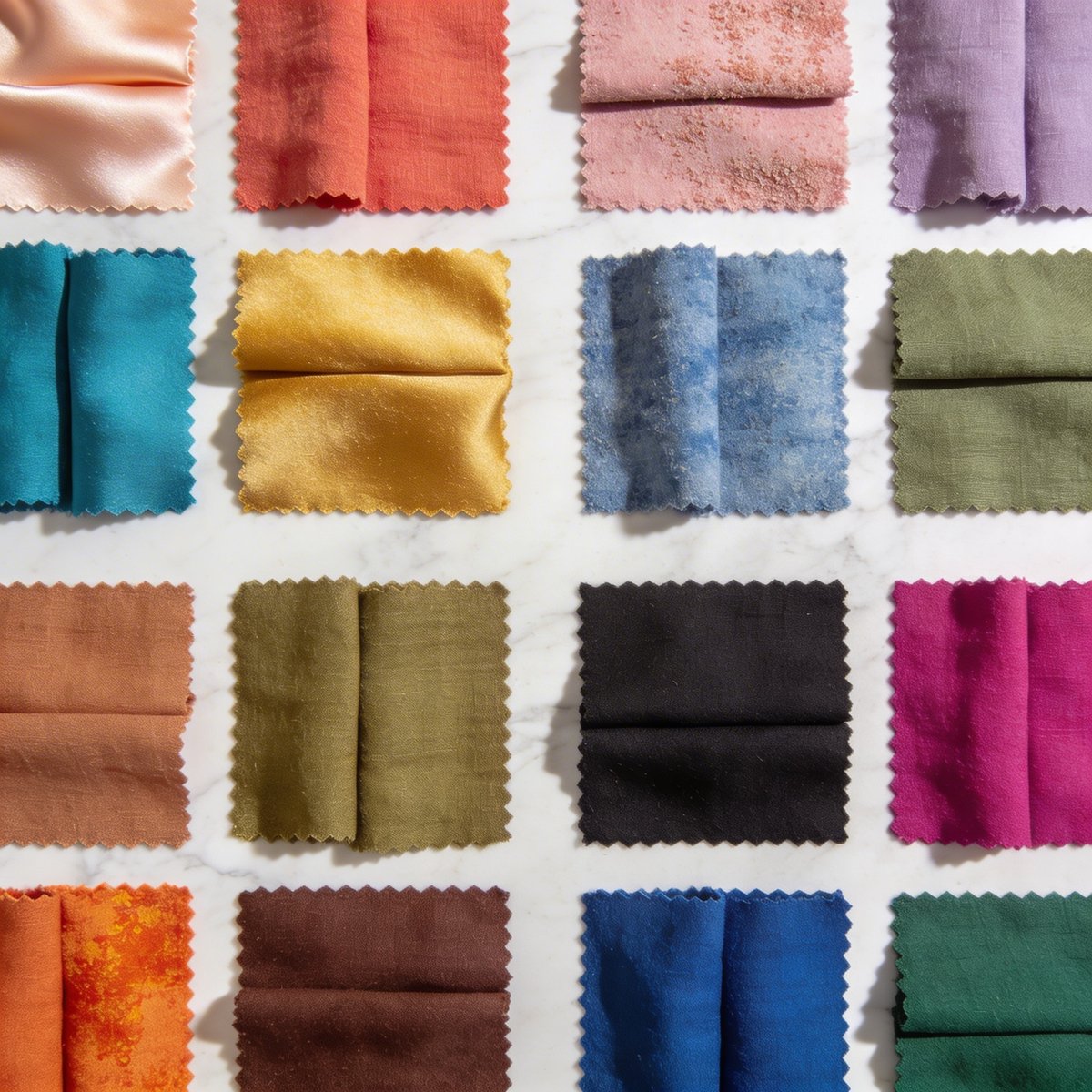
This is the professional method used by colour analysis consultants. It involves placing different fabrics in contrasting colours beneath your face, hair tied back, no makeup, in natural light. Compare the effect of warm colours (coral orange, tomato red, golden yellow) vs cool colours (fuchsia pink, cherry red, ice blue).
Observe what happens to your face:
- With the right colours: your skin looks smooth and luminous, your eyes shine, your features are relaxed, dark circles are reduced
- With the wrong colours: your skin appears grey or sallow, imperfections stand out, you look tired, dark circles deepen
A useful tip: take photos during this test, as it can be difficult to be objective in the moment. When you compare the photos side by side, the difference becomes obvious.
The 4 colour seasons: a practical application of temperature
Once you have identified your dominant temperature (warm or cool), you can orient yourself towards one of the four basic colour seasons. These seasons group people according to two criteria: temperature (warm/cool) and depth (light/deep).
The WARM seasons: Spring and Autumn
Spring is characterised by warm and bright colours. Spring types generally have golden skin (fair to medium), light eyes (blue, green, golden hazel) and golden blonde, light brown or light auburn hair. Their palette includes: peach, coral, light turquoise, apple green, daffodil yellow, salmon pink, light camel.
Autumn features warm and deep colours. Autumn types often have golden skin or freckles, brown, warm hazel or green eyes, and dark brown, auburn or copper hair. Their palette: burnt sienna, rust, khaki, olive, burnt orange, warm plum, chocolate brown, antique gold, terracotta.
Both seasons share a golden-yellow base but differ in depth. If you are one of these seasons, gold metals (gold, bronze, copper) will flatter you naturally.
The COOL seasons: Summer and Winter
Summer is defined by cool and soft colours. Summer types have rosy or ashy skin (fair to medium), blue, grey or cool green eyes, and ash blonde, cool brown or grey hair. Their palette: powder pink, lavender, ice blue, mint green, pearl grey, mauve, softened navy, raspberry.
Winter displays cool and intense colours. Winter types have very fair (porcelain) or very deep (ebony) skin, dark intense or icy blue eyes, and very dark (black, cool brown) or platinum white hair. Their palette: pure black, pure white, cherry red, fuchsia, royal blue, emerald green, amethyst purple, silver, magenta.
Both seasons share a blue-pink base but vary in clarity. If you belong to these seasons, silver metals (silver, platinum, white gold) will harmonise with your complexion. To identify your precise cool season (Summer, Winter, or the rare Cool Spring), see our complete guide to cool undertones.
How to apply this every day: clothing, makeup and hair
Clothing: what really matters
Not all clothing has the same impact on your face. The critical zone runs from the neckline to the face: tops, shirts, jackets, scarves, necklaces. This is where colour temperature directly influences how your complexion looks.
For clothing farther from the face (trousers, skirts, shoes), temperature matters less. You have more freedom, though staying within your overall palette creates a more sophisticated overall harmony.
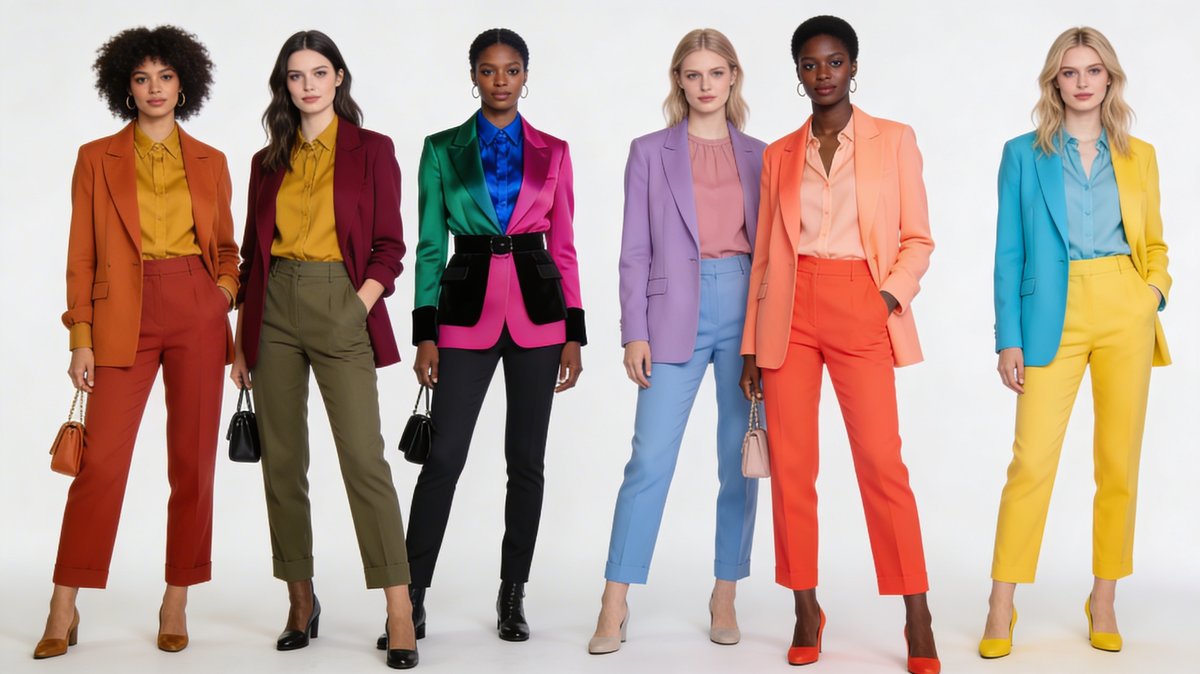
If you have a WARM undertone, wear near your face: camel, rust, khaki, coral, peach, gold, chocolate brown, olive green, bright orange, terracotta, warm turquoise. Avoid: bubblegum pink, ice blue, silver grey, pure black, pure white.
If you have a COOL undertone, favour near your face: powder pink, navy blue, pearl grey, emerald, lavender, silver, cool burgundy, pure white, pure black, intense fuchsia, fir green. Avoid: orange, gold, camel, khaki, rust, warm brown.
Remember: you are not abandoning entire colours, you are simply choosing the shades that bring out your best. Love red? Choose tomato red if you are warm, cherry red if you are cool. Adore green? Go for olive (warm) or emerald (cool).
Makeup: foundation and colour
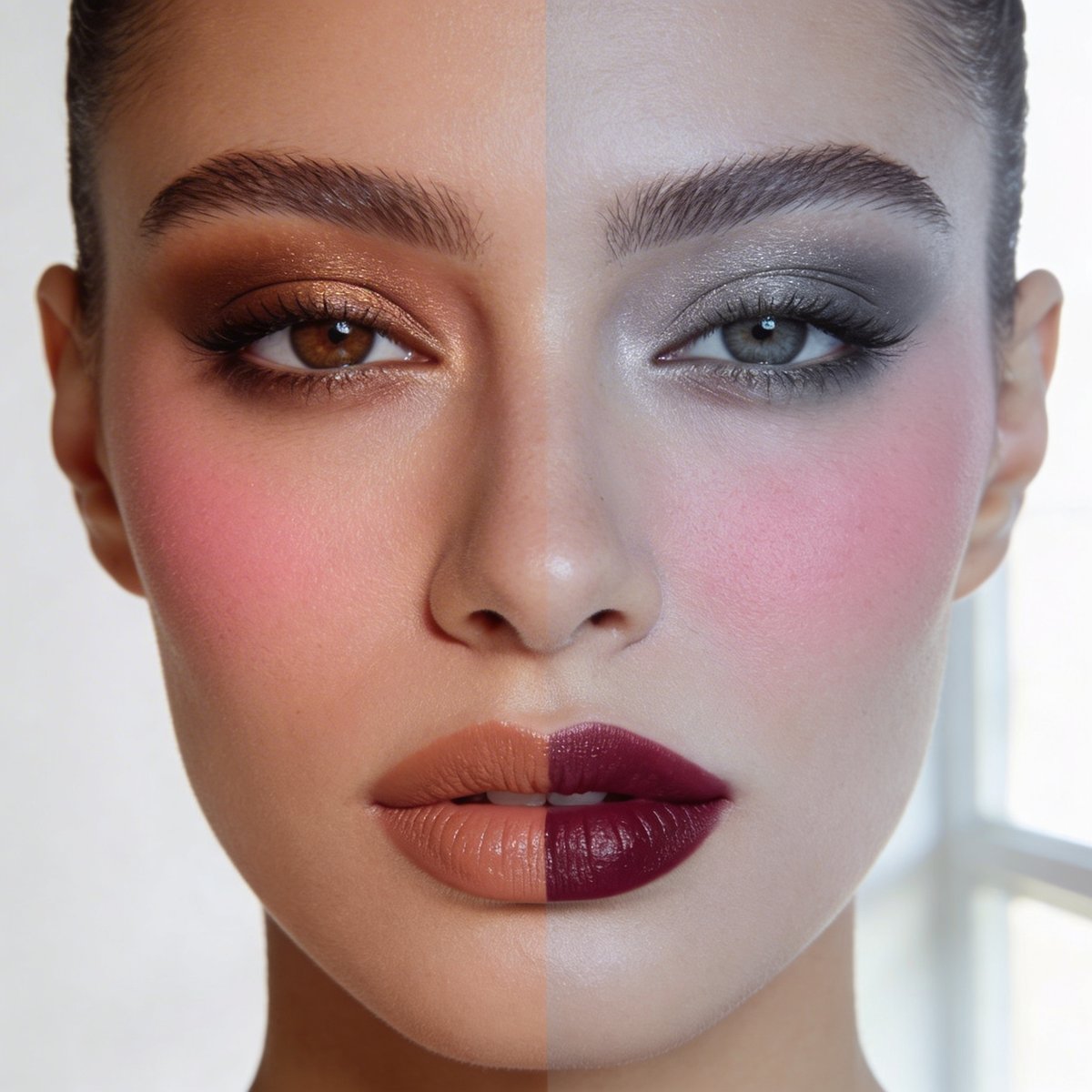
Makeup is the most direct application of colour analysis, as it is literally placed on your skin. Your foundation must always match your undertone, otherwise it will create a visible mask that does not blend with your neck.
- Warm undertone: look for foundations labelled "warm", "golden", "yellow-based" or "golden beige"
- Cool undertone: opt for "cool", "pink-based", "rose" or "rosy beige"
- Neutral undertone: you are fortunate, you can wear both, choose according to the season or desired effect
For makeup colours (eyeshadow, lipstick, blush), apply the same logic as for clothing. Warm types will wear corals, peaches, orangey tones, gold and warm browns. Cool types will favour powder pink, mauves, blue-based reds, silver and cool browns.
Hair colour: a crucial choice
Your hair frames your face permanently, making it one of the most important colour choices you can make. A colour in the wrong temperature can create a constant imbalance, even if your clothes are perfect.
For warm undertones: golden blonde, honey, caramel, warm chestnut, copper auburn, auburn, chocolate brown, golden or copper highlights, warm mahogany.
For cool undertones: platinum blonde, ash blonde, cool chestnut, cool brown, black, silver or ash highlights, cool rose gold, taupe for certain shades.
To choose well, consider not just the base colour but also its tones. A chestnut can be warm (golden/copper tones) or cool (ash/platinum tones), and this nuance makes all the difference. Our guide to colour analysis and hair colouring details the specific shades and technical tones suited to each season.
Special cases: neutral, mixed and deeper skin tones, common misconceptions
Neutral skin tones: between two worlds
Around 10 to 15% of the population has a neutral undertone, a perfect balance between warm and cool pigments. If your veins are blue-green, both gold and silver suit you equally, and you notice no marked difference with the fabric test, you are probably neutral.
Advantage: you can wear a broader palette than other seasons, including some neutral colours that neither flatter warm nor cool types. Disadvantage: it is harder to know which colours truly make you shine. Our advice: lean towards your most likely season and test both the warm and cool palettes to see which you prefer.
Mixed and deeper skin tones
A common mistake is to assume that deeper skin tones are automatically warm. In reality, there is just as much variety in the undertones of Black and mixed-heritage skin as in fair skin, the Pantone SkinTone Guide, which classifies 138 skin shades, illustrates this diversity. An ebony skin tone can have a warm undertone (golden, copper) or a cool one (blue-toned, violet).
The same tests apply: green veins = warm, blue veins = cool. The gold vs silver test works too. Do not let stereotypes mislead you. Many people with deeper skin belong to the Winter season (cool) and are absolutely transformed by intense cool colours such as fuchsia, royal blue or pure white.
Common mistakes to avoid
- Confusing skin tone with undertone: being pale does not mean you are cool, being tanned does not mean you are warm
- Relying only on hair colour: a brunette can be warm or cool, just as a blonde can
- Testing under the wrong light: artificial yellow or blue lighting distorts the results. always use natural daylight
- Ignoring your instinct: if a colour "from your palette" does not appeal to you, do not wear it. Colour analysis is a guide, not a prison
If you find it difficult to self-diagnose, consulting a professional can be well worth it. A certified colour analysis consultant has calibrated draping fabrics and a trained eye for detecting subtle nuances. In the UK, you can find qualified colour consultants through professional bodies such as the Federation of Image Professionals International (fipi UK) or the College of Colour. Expect to pay between £60 and £200 for a full individual consultation with professional draping. You can find a colour analysis expert near you across the UK, from London and Manchester to Birmingham, Edinburgh, Glasgow, Bristol and Leeds.
Frequently asked questions
How do I know whether I am warm or cool?
Three simple tests help you determine this: 1) Look at your wrist veins in natural light (green = warm, blue = cool), 2) Compare the effect of gold vs silver jewellery near your face (gold flatters warm types, silver flatters cool types), 3) Test warm-coloured vs cool-coloured fabrics under your face and observe which brightens your complexion. If you are still unsure, visit our complete colour analysis FAQ for more detail.
What is the difference between a warm colour and a cool colour?
A warm colour contains yellow, orange or red-orange in its composition (e.g. coral, khaki, gold), while a cool colour contains blue, grey or violet (e.g. bubblegum pink, emerald, silver). This distinction applies to almost all shades: every colour exists in a warm and a cool version. For example, poppy red is warm, cherry red is cool, orange is naturally warm, while teal can be warm thanks to its green base.
How do I do a colour analysis test at home?
Stand in natural daylight, hair tied back, without makeup. Use scarves or fabrics in contrasting colours (coral orange, golden yellow, fuchsia pink, ice blue) and place them under your chin. Observe the effect on your complexion: the right colours will brighten it and reduce dark circles, the wrong ones will dull it. Take photos to compare objectively. You can also do the vein test and the gold vs silver test described earlier in this article. A colour swatch or fan can also help you identify specific shades precisely.
Does black suit everyone?
No, contrary to popular belief. Pure intense black (cool) suits Winter types perfectly, as they have naturally high contrast. However, it can harden the features of Summer types (too intense) and Autumn types (wrong temperature). If you have a warm undertone or low contrast, opt instead for a slightly brownish black, a dark brown or charcoal, which will be more harmonious with your complexion.
Can you be neutral (neither warm nor cool)?
Yes, around 10 to 15% of the population has a neutral undertone, meaning a balance between warm and cool pigments. The signs: your veins are blue-green (difficult to classify), both gold and silver suit you equally, and you notice no marked difference during the fabric test. Advantage: you have access to a broader palette including neutral colours. In this case, orient yourself towards the season that matches your depth and clarity level.
Why do certain colours make me look washed out?
When you wear a colour whose temperature (warm or cool) does not match your natural undertone, it creates a chromatic dissonance. Your skin takes on a grey, sallow or greenish tint, dark circles deepen, imperfections stand out and your features look drawn. Conversely, the right temperature harmonises your appearance and brightens your complexion naturally.
Can warm seasons wear blue?
Absolutely! The shade of blue makes all the difference. Warm seasons (Spring and Autumn) can wear warm blues such as teal, turquoise, duck egg or petrol blue, which contain a green or yellow base. However, cool blues like navy, ice blue or royal blue risk dulling their complexion. Equally, cool seasons can wear green (emerald, fir, mint) but not olive or khaki green. Every colour exists in both temperatures.
Conclusion: choosing the colours that naturally bring out your best
Understanding the difference between warm and cool colours in colour analysis transforms your relationship with your wardrobe. You no longer ask "Is this colour on trend?" but "Does this shade bring out my best?" And that question changes everything.
The key takeaway: your undertone (warm or cool) stays constant throughout your life, unlike your skin tone which can vary. The three practical tests (veins, gold vs silver, fabrics) allow you to identify it in just a few minutes. Once you know your temperature, you can select the specific shades that illuminate your face rather than dull it.
Colour analysis guides your choices, but remember it is a tool, not a rigid rule. If a colour "from your palette" does not appeal to you, do not wear it. If a "forbidden" colour makes you happy, wear it away from your face or simply embrace it. Colour analysis is there to serve you, not to confine you.
To go further, a professional can refine your diagnosis and guide you towards one of the 12 sub-seasons. The UK's varied climate, with UV index levels that typically peak between 7 and 8 in June and July according to the Met Office, means sun exposure varies considerably by season and region, a factor your consultant will take into account. The Cancer Research UK notes that most skin cancers are preventable with appropriate sun protection. Whether you are in London, Manchester or Edinburgh, discover our colour analysis experts across the UK who offer complete analyses with professional draping and a personalised colour swatch booklet.