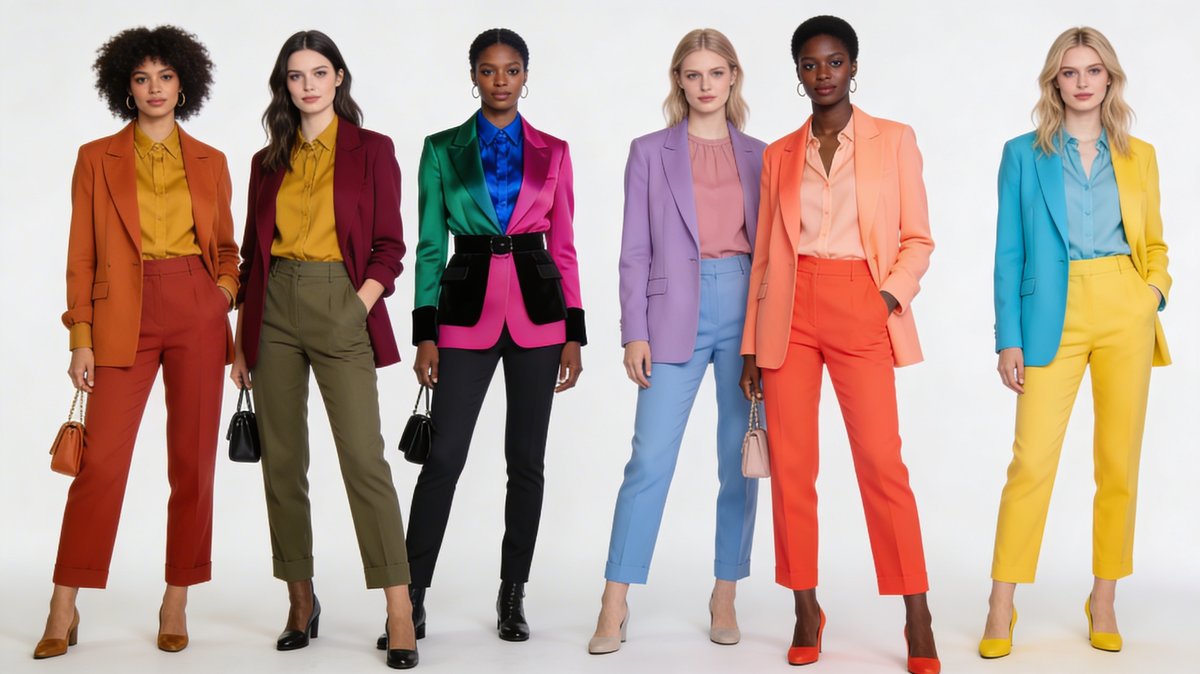
A cool undertone is characterised by blue or purple-toned veins and a natural affinity with silver jewellery rather than gold
Three cool seasons exist in colour analysis: Cool Summer (soft and light), True Winter (deep and high-contrast) and Cool Spring (rare, light and luminous)
Simple at-home tests can help you identify your undertone: the vein test, the jewellery test, and the white fabric test
Each cool season has its own specific colour palette to complement your natural complexion
Knowing your cool season makes everyday choices, clothing, makeup, accessories, far more straightforward
Have you ever wondered why certain colours seem to make your face glow, while others leave you looking tired or washed out? The answer lies in your skin's undertone. If you have a cool undertone, there is a very specific palette that will work with your natural colouring, but having a cool undertone does not mean every cool colour will flatter you. This is where colour analysis comes in, with its three cool seasons: Cool Summer, True Winter, and the rare Cool Spring.
In this guide, we will walk you through how to identify your cool undertone with precision, and then distinguish which cool season aligns with your natural characteristics. Choosing the right colours goes far beyond copying your favourite celebrity's look, it is about understanding what works harmoniously with your complexion, eyes, and hair.
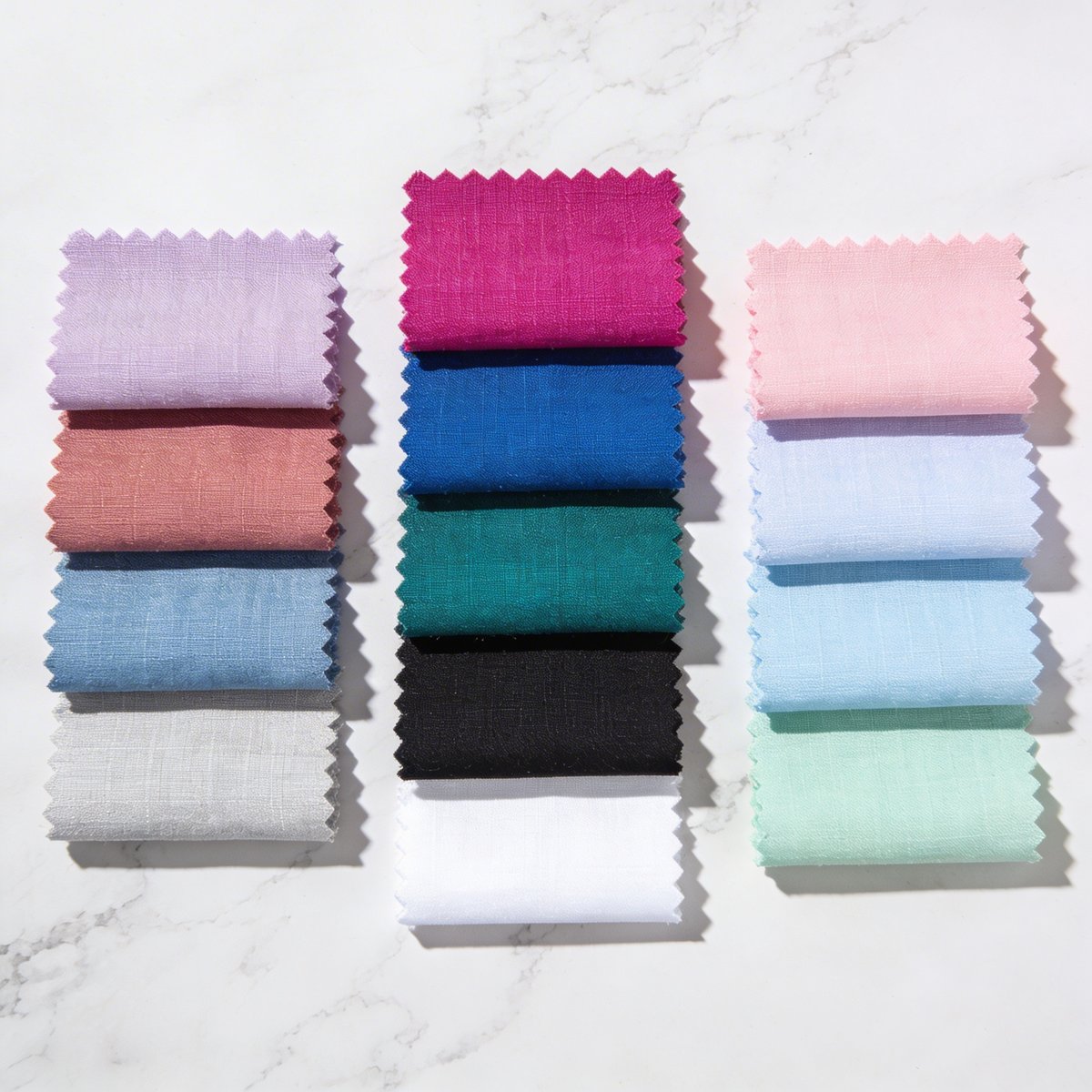
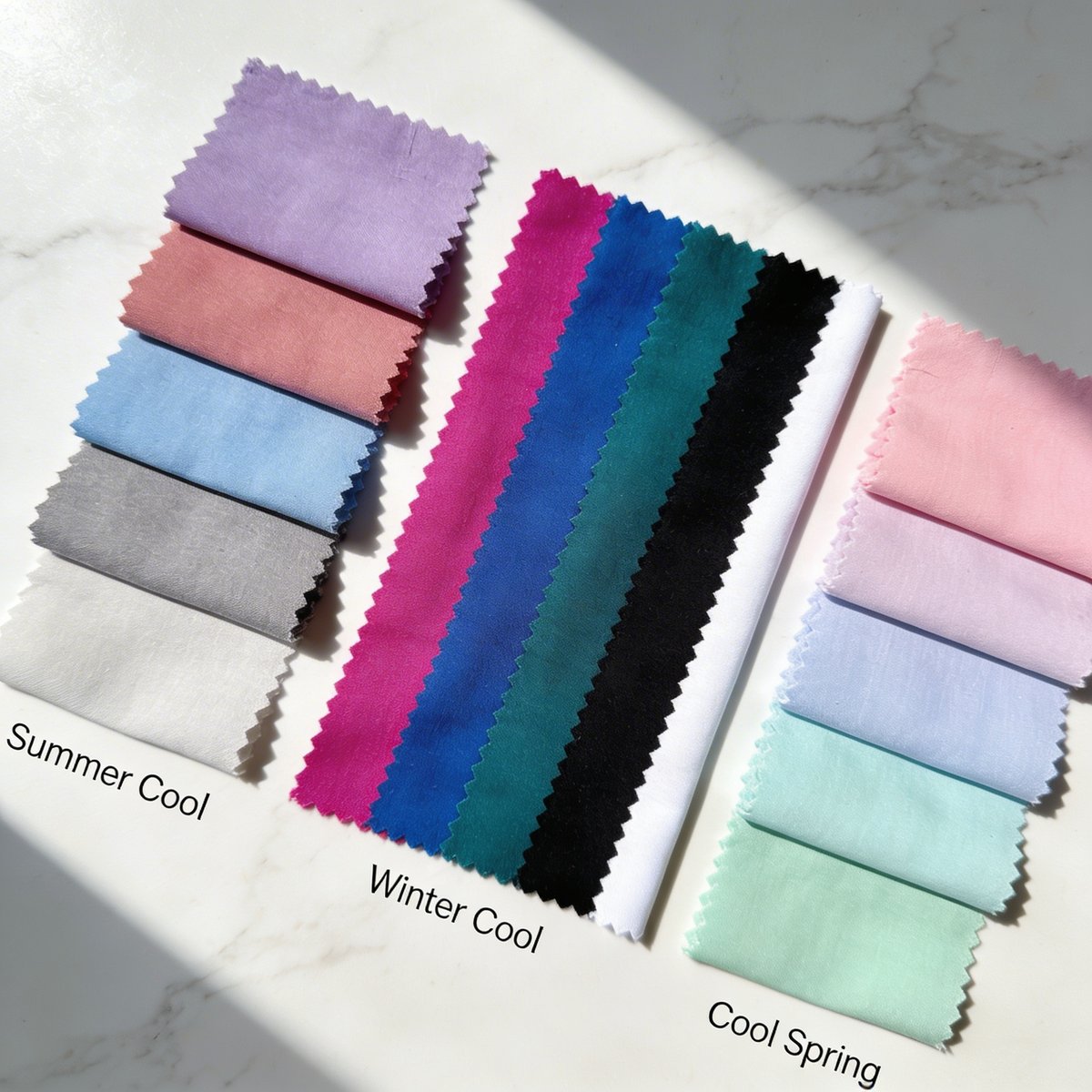
Illustration of the three cool seasons in colour analysis with palette examples
Understanding the cool undertone: definition and fundamentals
Your skin's undertone plays a major role in determining which colours will suit you best, in clothing, makeup, and hair colour alike. You may have noticed that certain eyeshadow shades clash with your complexion, or that some tops seem to make you look grey. Your undertone is the reason why.
What exactly is an undertone?
An undertone is distinct from your skin tone (the surface colour of your skin). Your skin tone can be fair, medium, or deep, and it may tan or shift slightly with the seasons. Your undertone, however, remains constant throughout your life. It is the subtle hue that shows through from beneath the skin's surface. There are three main categories: warm (golden, yellow, peachy), cool (pink, blue, red), and neutral (a balanced mix of both).
Having a cool undertone means your skin has bluish, pinkish, or purplish hues beneath the surface. These are subtle and reveal themselves through a few key indicators. Identifying your undertone before choosing colours is essential, it explains why certain shades make you look radiant whilst others make you appear dull or tired.
Why distinguish between the cool seasons?
Having a cool undertone is the starting point, but it is only the first step. In colour analysis, the seasonal system analyses three additional dimensions (a framework increasingly referenced by style authorities such as Vogue):
Depth: is your colouring light, medium, or deep?
Contrast: is there a strong contrast between your hair, eyes, and skin?
Intensity: are your natural colours vivid or muted?
This is why two people with a cool undertone can belong to very different seasons. A Cool Summer will have a soft, delicate appearance, whilst a True Winter will display high contrast and more intense natural colouring.
Diagram explaining the difference between skin tone and cool undertone
The distinctive palettes of the three cool seasons: Summer, Winter and Spring
How to confirm you have a cool undertone
Before identifying your exact cool season (Summer, Winter or Cool Spring), you need to confirm you have a cool undertone. Two quick indicators:
Your wrist veins lean blue-purple rather than green
Silver flatters you near your face, while gold makes your skin look slightly yellow
For the full test protocol (veins, jewellery, fabric draping), see our complete guide to identifying your undertone. Once you have confirmed your cool undertone, come back here to discover your specific season.
Illustration of the four cool undertone identification tests: veins, jewellery, fabric, and colour draping
Cool Summer: softness and subtlety
The Cool Summer season is defined by a soft, muted, and delicate palette. If your natural colouring lacks strong contrast and your overall appearance conveys freshness and subtlety, you likely belong to this season. Cool Summer is also referred to as True Summer in some colour analysis systems.
Physical characteristics of Cool Summer
Cool Summer individuals generally display the following traits:
Complexion: fair to medium skin, often with rosy or cool beige undertones, sometimes slightly translucent
Hair: ash blonde, light to medium ash brown with cool (not golden) tones. Hair often appears matte rather than shiny
Eyes: blue-grey, grey, steel blue, aqua green, cool hazel. Eyes tend to have a soft appearance
Contrast: low to medium. No strong contrast between hair, eyes, and skin
Cool Summer needs colours that honour this natural softness. Shades that are too vivid or too dark will overpower the face.
Cool Summer colour palette
Category
Recommended colours
Neutrals
Pearl grey, mid grey, blue-grey, rose taupe, cool rose beige
Orange, warm brown, gold, pure black, bright white, neon colours
Practical tips for Cool Summer
Here are some concrete suggestions to help you apply your palette every day:
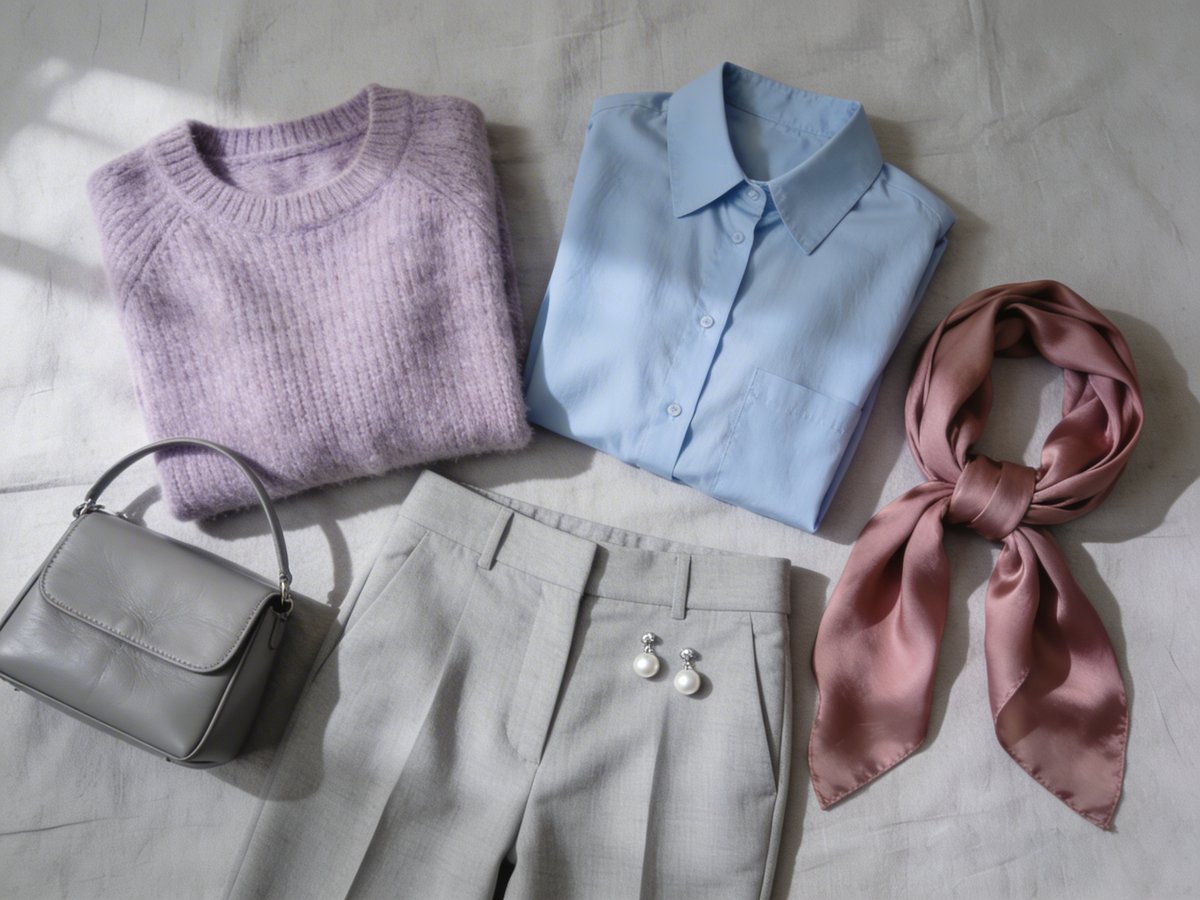
Wardrobe: build around grey tones, dusty rose, and soft blues. Faded denim and chambray suit you better than dark raw denim
Makeup: choose foundations with a rose base, mauve and pearl grey eyeshadows, and lip colours in dusty rose or soft raspberry
Jewellery: silver, white gold, pearls, stones in cool pastel tones (amethyst, aquamarine)
Hair colour: if you colour your hair, stay within ashy tones. Avoid golden or copper highlights, our guide on colour analysis and hair colouring details the shades suited to each season
True Winter is the opposite of Cool Summer in terms of intensity. This season is characterised by high contrast and natural colouring that is either very deep or very light, but always with a striking clarity. In some systems, this season is also called Cool Winter.
Physical characteristics of True Winter
True Winter individuals generally display:
Complexion: very fair (almost porcelain) or deep skin tone, with a pronounced cool, rosy, or bluish undertone
Hair: black, very dark brown, silver, or pure white. Hair often appears glossy and intense
Eyes: very dark brown, black, intense blue, deep steel grey, emerald green. Eyes are often striking and piercing
Contrast: high to very high. A clear difference between hair colour, eyes, and skin
True Winter can naturally carry intense colours without being overwhelmed by them. This season needs vivid, saturated shades to harmonise with its naturally high contrast.
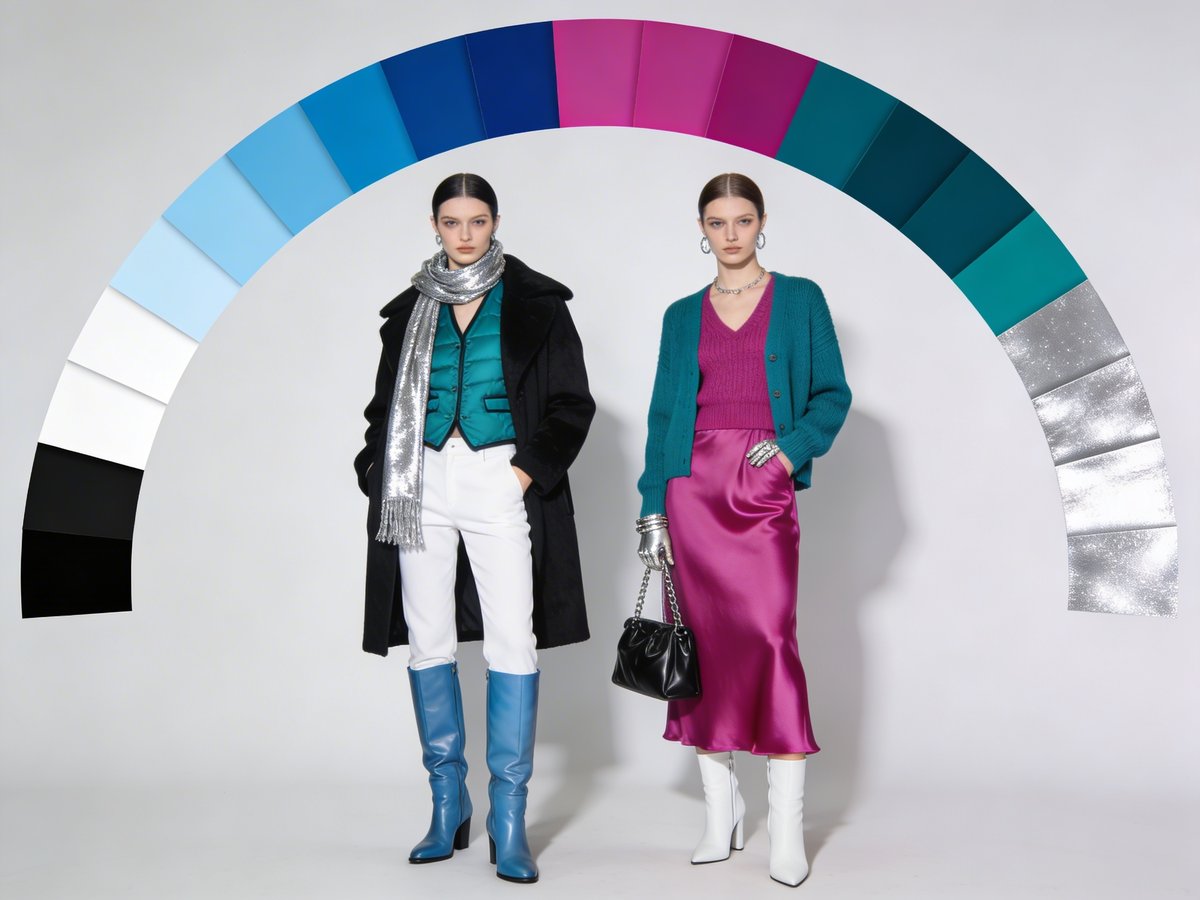
Complete colour palette for the True Winter season with outfit examples
True Winter colour palette
Category
Recommended colours
Neutrals
Pure black, pure white, charcoal grey, silver grey, deep navy
Pinks and reds
Fuchsia, magenta, bright cherry red, shocking pink, deep wine red
Blues and purples
Royal blue, electric blue, deep violet, purple, indigo
Greens
Emerald green, pine green, vivid turquoise, cool forest green
You might be wondering: "Isn't Spring always a warm season?" In the traditional four-season method, yes. However, in the extended 12-season system, there exists a category called Cool Spring (sometimes referred to as "Light Cool Spring" or "Clear Cool Spring").
Understanding Cool Spring
Cool Spring is a rare hybrid season that combines a cool undertone with the lightness and luminosity typical of Spring, and light, clear colours that are cool rather than warm.
This season sits at the boundary between Cool Summer (with which it shares delicacy) and True Winter (from which it borrows clarity). Cool Spring individuals have a fair complexion with a cool undertone, ash blonde to light cool brown hair, and light eyes (pale blue, light green, pale grey) with a natural luminosity.
Cool Spring palette
The Cool Spring palette favours cool but clear colours: light cool pink, bright candy pink, vivid raspberry red, cool sky blue, luminous periwinkle, light lavender, bright mint green, light turquoise, cool lime green, pale grey, pure white, pale blue-grey.
It is important to determine whether you are truly Cool Spring or rather a lighter Cool Summer. The difference lies in intensity: Cool Spring can carry slightly more vivid colours than Cool Summer, whilst remaining within cool and light tones.
Because this season is rare and subtle, we recommend consulting a certified colour analyst to confirm this classification. In the UK, a number of qualified professionals offer detailed personal colour analysis sessions. Find a certified colour analyst near you for a personalised consultation.
Cool Summer vs True Winter: how to decide?
Confusion between Cool Summer and True Winter is very common, as both seasons share the same cool undertone. Here are the key criteria to distinguish between the two profiles and identify yours with confidence.
Contrast: the deciding factor
The contrast between your hair, eyes, and skin is the primary indicator:
Cool Summer: low to medium contrast. Hair, eyes, and skin sit in relatively similar, close-toned ranges
True Winter: high to very high contrast. A clear and marked difference between at least two of the three elements
A simple test: take a black-and-white photo of yourself. If the contrast is still clearly visible and pronounced, you are likely True Winter. If everything appears more uniform and soft, you lean more towards Cool Summer.
Comparison table: Cool Summer vs True Winter
Criterion
Cool Summer
True Winter
Overall contrast
Low to medium
High to very high
Intensity
Soft, muted, delicate
Vivid, deep, striking
Typical hair
Ash blonde to medium ash brown, matte
Black, very dark brown, glossy
Typical eyes
Grey, blue-grey, soft hazel
Dark brown, intense blue, emerald green
Effect of pure black
Overpowers the face, too harsh
Flattering, creates elegance
Effect of pastels
Harmonious, flattering
Dulling, lacks impact
The mirror test
Stand in front of a mirror in natural daylight with a bare face. Drape alternately over your shoulders a pure black fabric and a soft pearl grey fabric. Observe your face carefully:
If pure black illuminates your face and creates a flattering contrast: you are likely True Winter
If pearl grey brings out your features and harmonises your face whilst black hardens it: you are likely Cool Summer
Repeat the test with a vivid fuchsia pink (Winter) versus a soft dusty rose (Summer). The result should confirm your first observation.
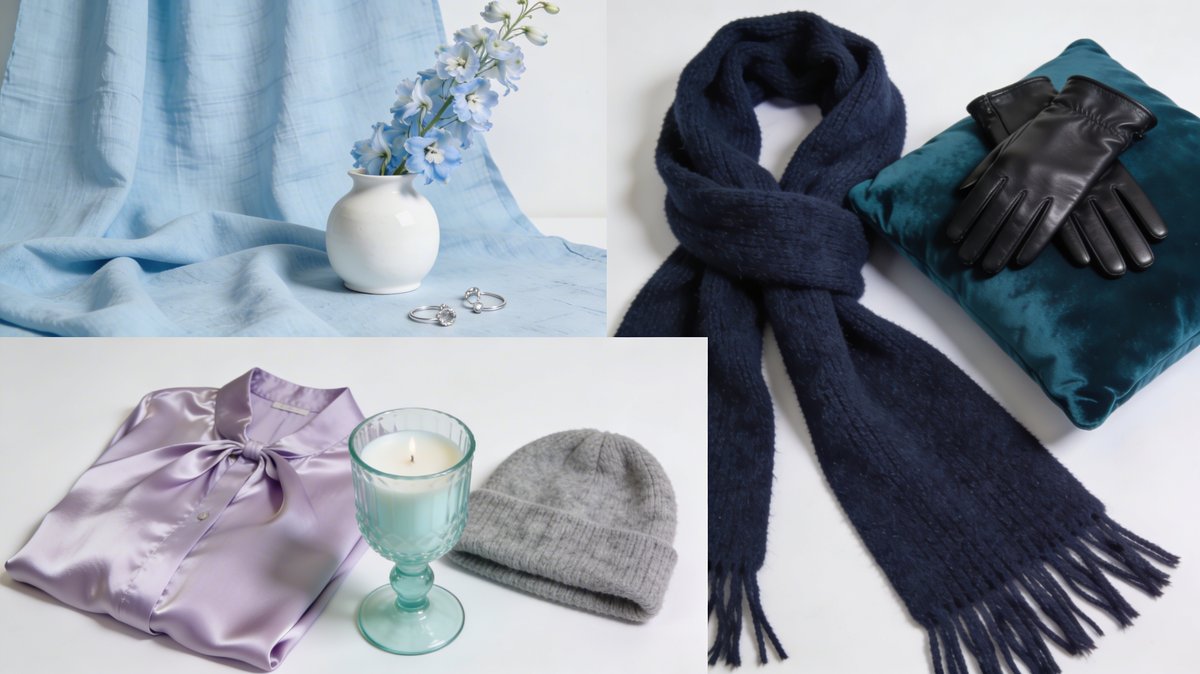
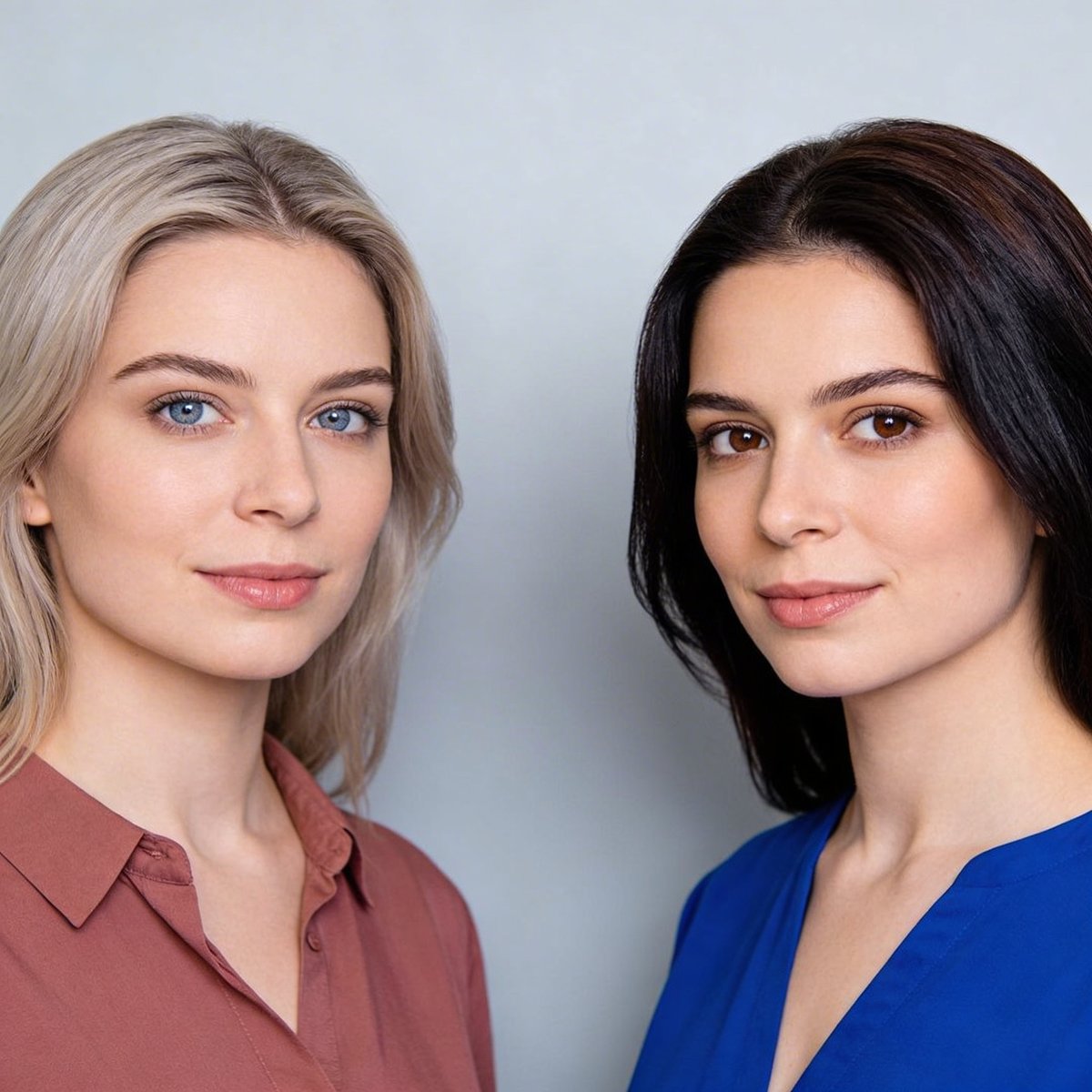
Visual comparison between the characteristics of Cool Summer and True Winter
Practical application: clothing, makeup and accessories
Now that you have identified your cool season, here is how to apply this knowledge day to day. Choosing the right colour becomes so much easier once you know your palette.
Building a cohesive wardrobe
Cool Summer: start with basics in pearl grey, mid grey, blue-grey, and rose taupe. Add pieces in your signature colours: dusty rose, lavender blue, soft mint green. For prints, opt for delicate patterns and thin stripes. Faded denim and chambray suit you particularly well.
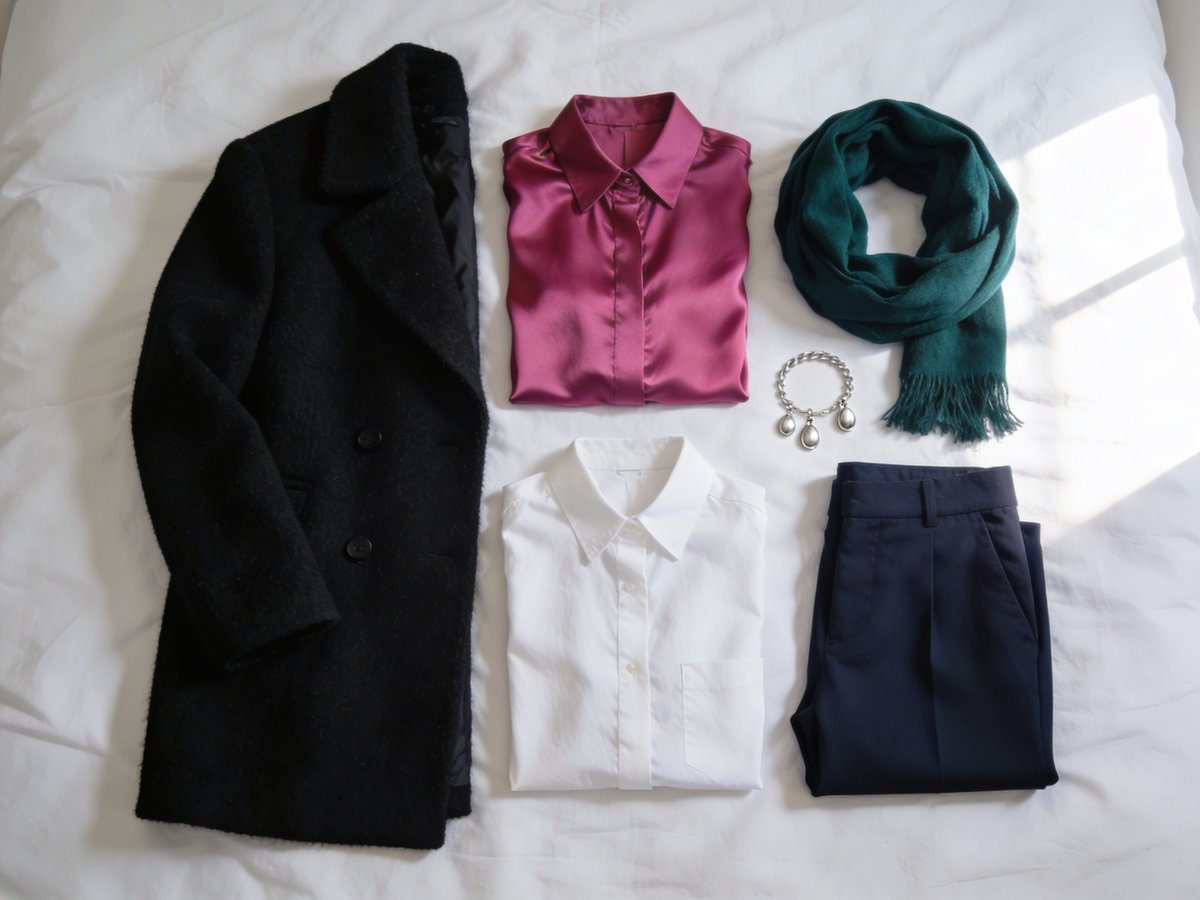
True Winter: build your wardrobe around black, pure white, charcoal grey, and deep navy. Add bold colour accents: fuchsia, royal blue, emerald, cherry red. High-contrast geometric prints and wide black-and-white stripes are flattering. Black leather and dark raw denim are your strongest allies.
Cool Spring: base your wardrobe on pure white, pale grey, and cool sky blue. Incorporate luminous cool colours: bright pink, light turquoise, luminous lavender. Floral prints in cool, clear tones work well.
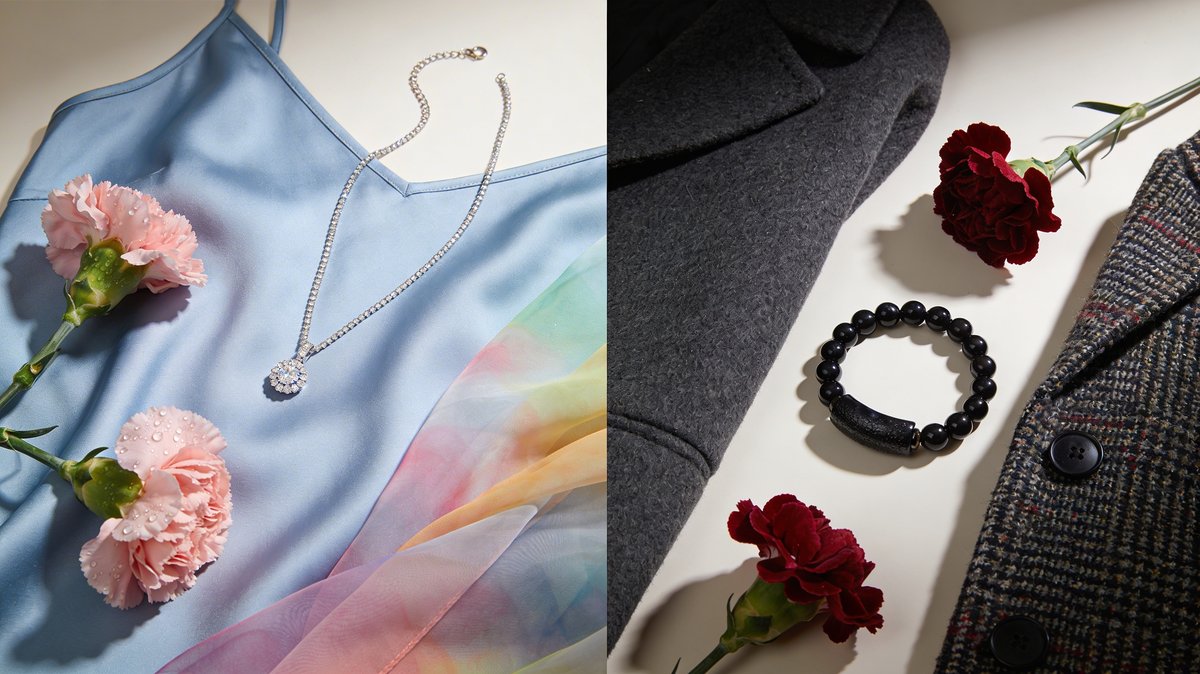
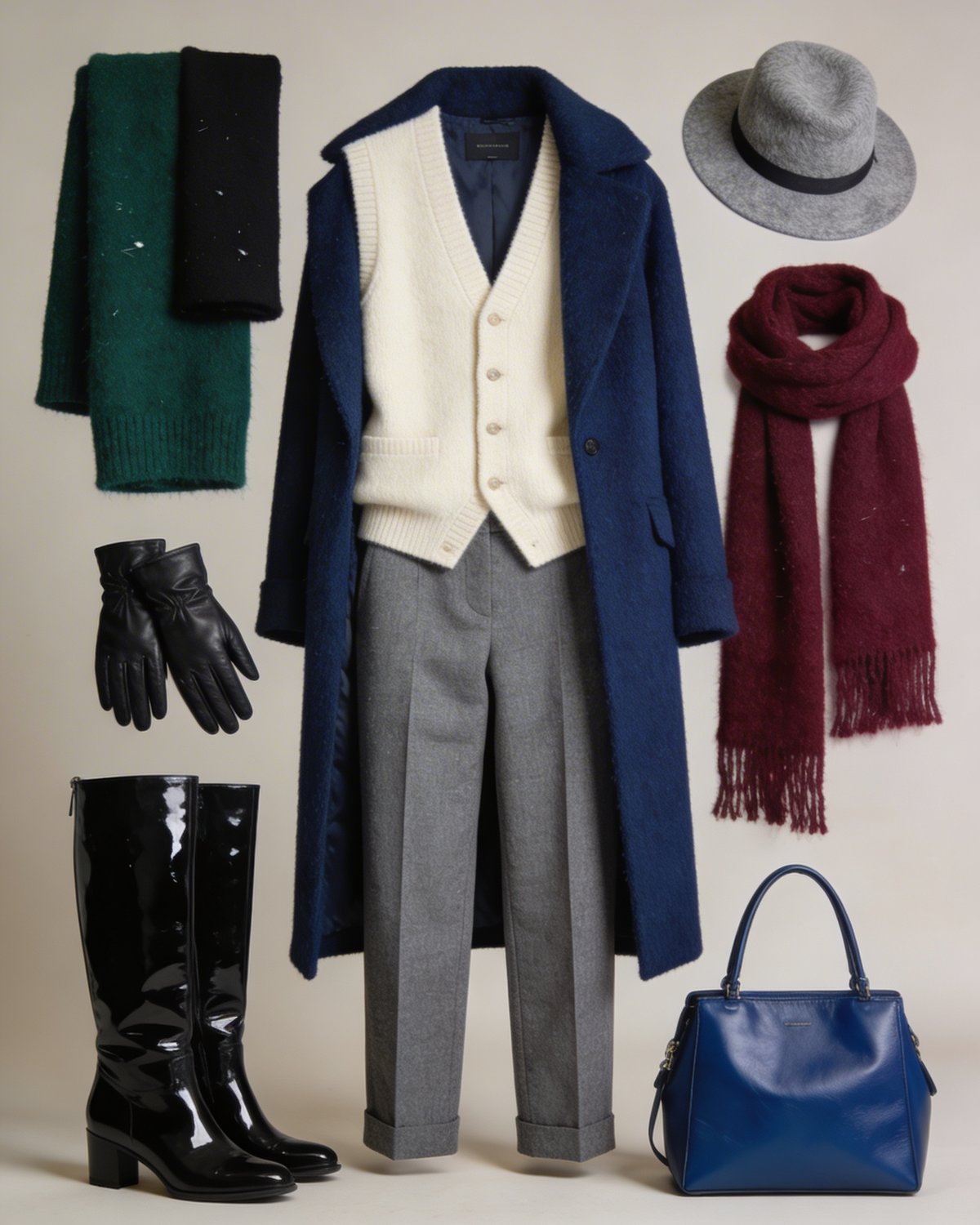
Example of a complete outfit for the True Winter season
Makeup suited to your cool season
Foundation: for all cool seasons, choose bases with a rosy rather than golden or warm beige undertone.
Eyes: Cool Summer suits pearl grey, soft mauve, powder blue, and rose taupe eyeshadows. True Winter looks best in charcoal grey, deep violet, midnight blue, and metallic silver. Black eyeliner is perfect for Winter. Cool Spring works well with sky blue, light lavender, pale grey, and bright pink shades.
Lips: Cool Summer wears mauve, soft raspberry, nude rose, and cool soft burgundy. True Winter gravitates towards bright cherry red, fuchsia, magenta, deep plum, and icy pink nude. Cool Spring chooses bright candy pink, vivid raspberry red, and luminous rosy nude.
Jewellery and accessories
Metals: all cool seasons do best with silver, platinum, white gold, and pale rose gold. Classic yellow gold generally introduces a warmth that conflicts with your cool undertone.
Stones: Cool Summer favours pearls, opal, light amethyst, aquamarine, and rose quartz. True Winter chooses diamond, sapphire, ruby, emerald, deep amethyst, and onyx. Cool Spring opts for light aquamarine, light amethyst, pearls, and blue topaz.
For further help with your everyday colour choices, browse the recommendations of our colour analysis experts across the UK. The UK beauty and personal care market reached approximately £10.5 billion in 2024 (source: Statista), and demand for personalised colour analysis consultations continues to grow across cities from London to Edinburgh.
Common mistakes to avoid
Applying colour analysis can feel daunting at first. Here are the most frequent pitfalls and how to sidestep them.
Confusing skin tone with undertone
This is the number one mistake. A fair complexion is not automatically cool-undertoned, and a deep complexion is not necessarily warm. Undertone is independent of the depth of your skin tone. Many people with deep skin have a cool undertone and belong to the True Winter season.
Following the rules too rigidly
Colour analysis is a guide, not a rulebook. If you are Cool Summer and you love a black jumper, wear it! The trick is to pair it with colours from your palette close to your face, a dusty rose scarf, for instance, to soften the impact of the black.
Relying solely on online tests
Online colour analysis tools are a useful starting point, but they do not replace an in-person consultation. Screen lighting, photo quality, and colour calibration can all skew the results. If you are torn between two seasons, consult a professional.
Forgetting that coloured hair changes everything
If you colour your hair, your analysis may be affected. Hair dyed in warm shades (copper, golden) can create a conflict with your natural cool undertone. If you are Cool Summer or True Winter and wish to colour your hair, stick to ashy, cool, or neutral tones.
Illustration of common mistakes in colour analysis with visual examples
Frequently asked questions
How do I know if I have a cool undertone?
The most reliable test is to observe your veins in natural daylight. If they appear blue-purple or deep blue, you have a cool undertone. You can confirm this with the jewellery test: if silver flatters you more than gold, that is a strong sign of a cool undertone. The white fabric test also works: if your skin appears rosy or slightly bluish against pure white, your undertone is cool.
What is the difference between Cool Summer and True Winter?
The key difference lies in contrast and intensity. Cool Summer has low to medium contrast with soft, muted natural colouring. True Winter displays high contrast with deep, intense natural colouring. In practice, Cool Summer wears pastels and soft colours better, whilst True Winter needs vivid, saturated hues. Pure black flatters True Winter but overwhelms Cool Summer.
What colours should I wear with a cool undertone?
Cool undertones are enhanced by colours with a blue, pink, or purple base. Favour pinks (from dusty rose to fuchsia, depending on your season), blues (lavender, periwinkle, royal blue), purples, blue-based greens (mint, emerald), raspberry or cherry reds, and cool neutrals (grey, navy, black or white depending on your season). Avoid gold-based colours such as orange, warm brown, golden yellow, and warm coral.
Can someone with a deep skin tone have a cool undertone?
Absolutely. The depth of skin tone (fair, medium, deep) is entirely independent of undertone (warm, cool, neutral). Many people with deep skin have a cool undertone characterised by bluish or purplish hues rather than golden ones. They often belong to the True Winter season and look stunning in intense, cool colours such as fuchsia, royal blue, or emerald. The vein test works regardless of your skin tone.
Does Cool Spring really exist?
In the traditional four-season method, Spring is indeed associated with warm undertones. However, in the extended 12-season system, there is a category called Cool Spring (or Light Cool Spring). This rare season combines a cool undertone with the luminosity and lightness of Spring. Cool Spring individuals have naturally light and luminous, but cool, colouring. Because this season is subtle, we recommend a professional analysis to confirm it.
What jewellery suits a cool undertone?
Silver-toned metals complement cool undertones beautifully: silver, platinum, white gold, and pale rose gold. Classic yellow gold generally introduces a warmth that can conflict with your cool undertone, though it can be worn mixed with silver. For stones, favour cool-toned ones: amethyst, aquamarine, sapphire, emerald, pearls, diamond, ruby, and opal.
Conclusion: enhancing your cool undertone every day
Understanding your cool undertone and identifying your specific season will transform the way you relate to colour. Whether you are Cool Summer with your soft, delicate palette, True Winter with your intense, contrasted colouring, or the rare Cool Spring with your luminous cool clarity, you now have the tools to choose the shades that naturally flatter you.
Colour analysis is not a rigid science, but a powerful tool to simplify your life. No more impulsive clothing purchases that end up unworn! With your palette in mind, your choices become quicker, simpler, and more successful.
We encourage you to experiment gradually. Start by incorporating one or two colours from your palette into your usual outfits. Observe how they transform your appearance and your confidence.
If you are still uncertain about your season or would like a thorough analysis, a professional can help. In the UK, a personal colour analysis session typically costs between £95 and £300 for a session of 1.5 to 3 hours with professional colour draping. Whether you are in London, Manchester, Birmingham, Edinburgh, or Bristol, certified colour analysts offer full personal colour analysis sessions as well as group workshops.
To continue exploring colour analysis, we invite you to read our guide on autumn colour analysis, which will help you understand how warm seasons differ from cool ones.
Remember: colour analysis is here to serve you, not to constrain you. Start with a single change, a scarf, a lip colour from your palette, and observe the difference it makes to your complexion. The rest will follow naturally.