Key Takeaways
- Colour analysis for men identifies the colours that naturally harmonise with your skin tone
- Your undertone (warm, cool or neutral) determines whether you suit gold or silver better
- The 4-season system (Spring, Summer, Autumn, Winter) guides your choices for suits and casual outfits
- A simple vein test on your wrist can already reveal your colour profile
- Aligning your wardrobe with your colour season instantly improves your appearance without effort
You've probably noticed that certain colours make you look healthy and vibrant, while others leave your complexion looking dull or washed out. This isn't coincidence: your skin, hair and eyes carry a natural undertone that harmonises better with specific hues. Colour analysis for men, sometimes called personal colour analysis, helps you identify those ideal colours to build a wardrobe that genuinely flatters you, from your work suit to your weekend casuals.
For years, the male wardrobe defaulted to navy, charcoal and black. That approach is increasingly outdated. Modern British men are exploring broader palettes, and understanding your personal colour season gives you the confidence to dress with purpose and consistency.
"I was initially skeptical about getting a colour analysis, especially as a guy, but the entire experience was incredible."

Understanding Your Skin Undertone
Your undertone is the subtle colour that lies beneath the surface of your skin. Unlike your skin tone (fair, medium, dark), your undertone remains constant throughout life and determines which colours naturally flatter you.
There are three undertone categories:
- Warm undertone: golden, yellow or peachy cast. Your skin tans easily and you look better in warm colours (beige, brown, terracotta, olive green).
- Cool undertone: pink, red or bluish cast. You suit cool colours more naturally (grey, navy, burgundy, pure black).
- Neutral undertone: a balance of warm and cool. You have the flexibility to wear most hues, though some will always be more harmonious than others.
Colour analysis uses these undertones as the foundation for creating personalised palettes. For men, knowing your undertone fundamentally changes how you approach getting dressed: instead of reaching for a grey suit "by default", you'll know whether a cool charcoal or a warm taupe actually suits you. For more on colour, see Pantone.
Practical Tests You Can Do at Home
You don't need specialist equipment to identify your undertone. Three simple colour analysis tests for men are enough, just make sure you do them in natural daylight to avoid distortion from artificial lighting.
The Wrist Vein Test
Go to a window and turn your wrists face up. Look carefully at the colour of your veins:
- Greenish veins → warm undertone
- Blue or purple veins → cool undertone
- Blue-green veins that are hard to define → neutral undertone
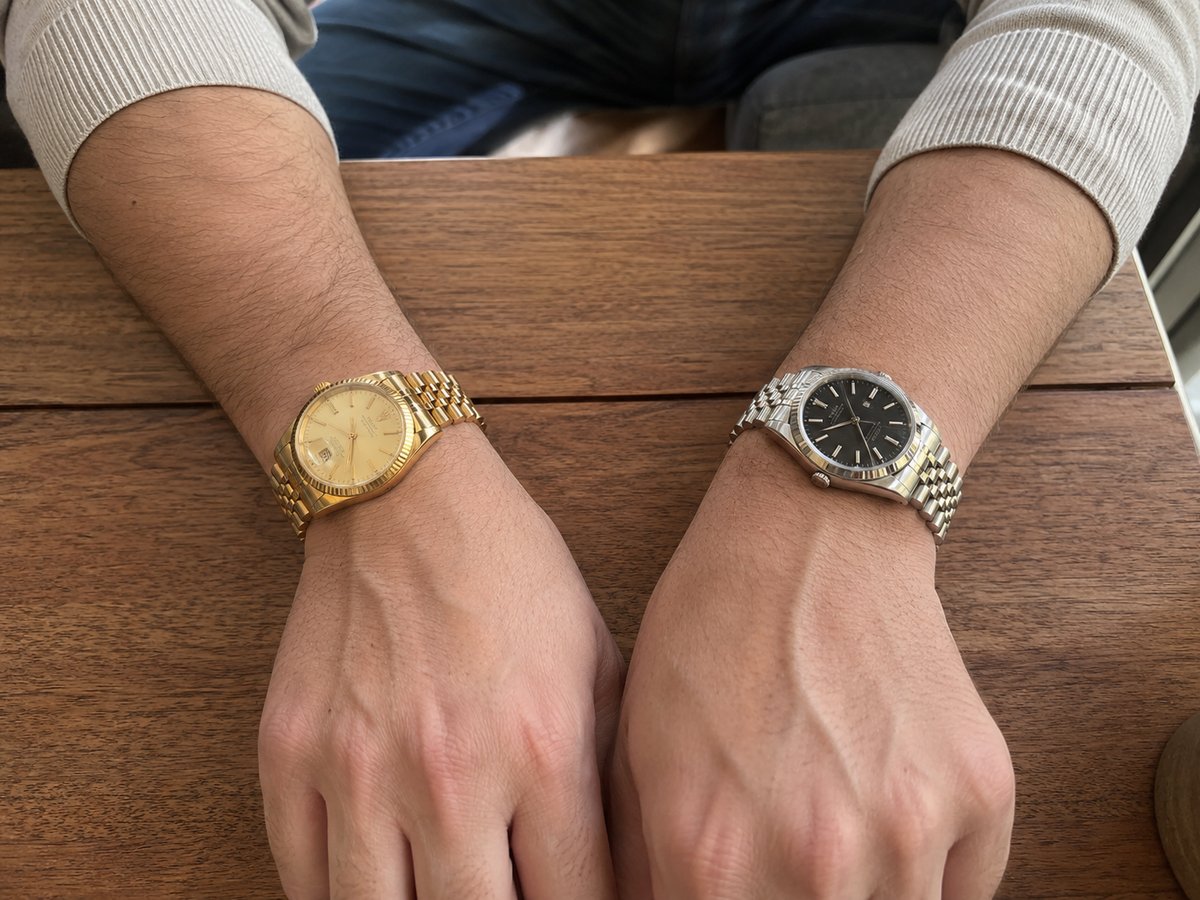
The Gold vs Silver Test
Place a gold-toned watch on one wrist and a silver watch on the other. Which appears to blend more naturally with your skin?
- Gold looks more natural → warm undertone
- Silver makes your skin look brighter → cool undertone
- Both work equally well → neutral undertone
"When I had the cool colours draped over my shoulder the shadows and blotches disappeared from my skin, my eyes and hair colour came alive."
The Metallic Fabric Drape Test
Hold a piece of gold fabric near your face in front of a mirror, then swap it for a silver one. Which makes your complexion look more even, your features more defined? That's your undertone. If you'd like a more precise assessment, colour analysis consultants across the UK offer professional sessions that identify your exact season.
The 4 Colour Seasons for Men
The season system classifies colour profiles using two criteria: temperature (warm/cool) and intensity (soft/vivid). Here's how to identify yours.
| Season | Typical Physical Characteristics | Core Palette |
|---|---|---|
| Spring | Golden or peachy skin, warm blonde or light brown hair, clear eyes (blue, green, hazel) | Warm and bright: coral, camel, apple green, turquoise, warm beige |
| Summer | Rosy or cool beige skin, ash-toned hair, grey-blue or pale blue eyes | Cool and soft: lavender, soft grey, sky blue, dusty rose, cool beige |
| Autumn | Ivory, golden or tanned skin, auburn, chestnut or warm brown hair, hazel, brown or deep green eyes | Warm and rich: rust, khaki, chocolate, terracotta, forest green, mustard |
| Winter | High contrast (very fair or very deep skin, very dark hair), intense eyes | Cool and vivid: pure black, bright white, royal blue, cool burgundy |
If you see yourself in more than one season, focus on identifying your dominant temperature (warm or cool) and contrast level (soft or vivid). That's the core distinction in personal colour analysis for men. For a deeper dive into the 12 sub-seasons, see our complete colour guide.
Choosing Your Suit Colour by Season
Your suit is your most impactful formal garment. Choosing its colour according to your personal colour season guarantees a polished, coherent appearance in any professional or formal context.
Spring: Warm and Luminous Tones
Avoid pure black, it creates too much contrast with your bright complexion. Better options:
- Warm navy with slight greenish undertones, more flattering than a cool, flat navy
- Warm taupe or grey rather than the cooler charcoal grey
- Beige, camel or natural linen for less formal occasions
For shirts, opt for off-white or ivory rather than pure white. Feel free to try coral, salmon or turquoise for smart casual events.
Summer: Soft, Cool and Understated
Your palette calls for subtle, elegant tones rather than stark contrasts:
- Pearl or light grey that reflect light onto your complexion
- Cool navy with a distinctly blue quality
- Dusty rose burgundy to add colour without harshness
Black works if your natural contrast is sufficient. Otherwise charcoal is more flattering. To explore the Summer season palette in detail, see our article on cool undertone colour analysis.
Autumn: Rich and Earthy Depth
You carry the deeper, warmer colours that few men can pull off:
- Chocolate brown, cognac, camel beige
- Forest green, deep khaki, olive, a powerful alternative to classic blue
- Warm burgundy or rust in your pocket square or tie
Pure black tends to flatten Autumn profiles. If you're wearing a dinner suit, balance with an ivory shirt and warm-toned accessories.
Winter: Embrace High Contrast
You're one of the few seasons that can wear pure black and white with full impact:
- Deep black, your signature colour, reinforcing your presence
- Charcoal or dark grey
- Intense navy, royal blue
- Cool burgundy or plum for colour without compromising your profile
Avoid beige, camel and brown tones, they dilute your natural contrast. Stay in clear, defined, slightly cool shades.
"As a man, I found this service useful to help navigate colours while shopping, and save myself time every time I shop in the future."
Colour Analysis Applied to Casual Wear
Casual dressing follows the same colour principles as formalwear, just with more room to experiment. Here's how to apply your season to everyday outfits.
The Casual Colour Foundation
Chinos and trousers:
- Warm profiles (Spring, Autumn) → beige, camel, khaki, brown, olive
- Cool profiles (Summer, Winter) → grey, navy, black, cool burgundy
Shirts and polo shirts:
- Spring: coral, salmon, turquoise, apple green
- Summer: sky blue, lavender, dusty pink, pearl grey
- Autumn: rust, terracotta, forest green, mustard
- Winter: bright white, electric blue, cool red, charcoal

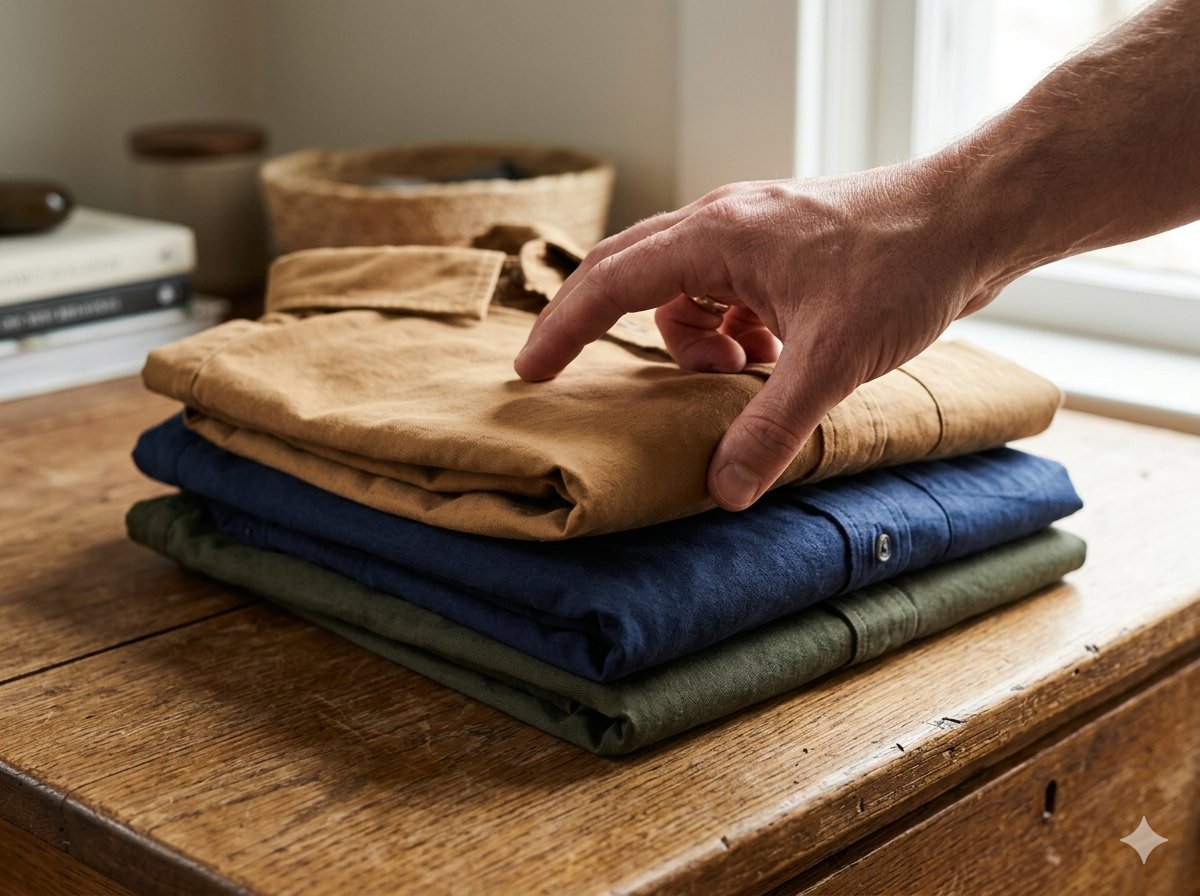
Knitwear:
Jumpers and sweaters offer a great opportunity to introduce colour. Stay true to your temperature (warm/cool) and adjust intensity to your season. A camel knit brings out a warm Autumn profile; a dusty blue jumper elevates a Summer complexion.
Sample Capsule Wardrobe by Season
Spring Capsule: raw denim jeans, beige chinos, off-white shirt, coral polo, warm grey tee, camel jumper, denim jacket, white trainers.
Summer Capsule: grey jeans, navy chinos, white shirt, lavender polo, pearl grey tee, sky blue jumper, light grey blazer, white or grey trainers.
Autumn Capsule: raw jeans, khaki chinos, ecru shirt, rust polo, forest green tee, brown jumper, suede jacket, cognac boots.
Winter Capsule: black jeans, charcoal chinos, white shirt, cool burgundy polo, black tee, dark grey jumper, black jacket, black trainers or leather shoes.
Accessories: Gold, Silver and Frames
Your accessories reveal immediately whether your colour knowledge is working. A few clear rules make all the difference.
Watches and Jewellery: Gold or Silver?
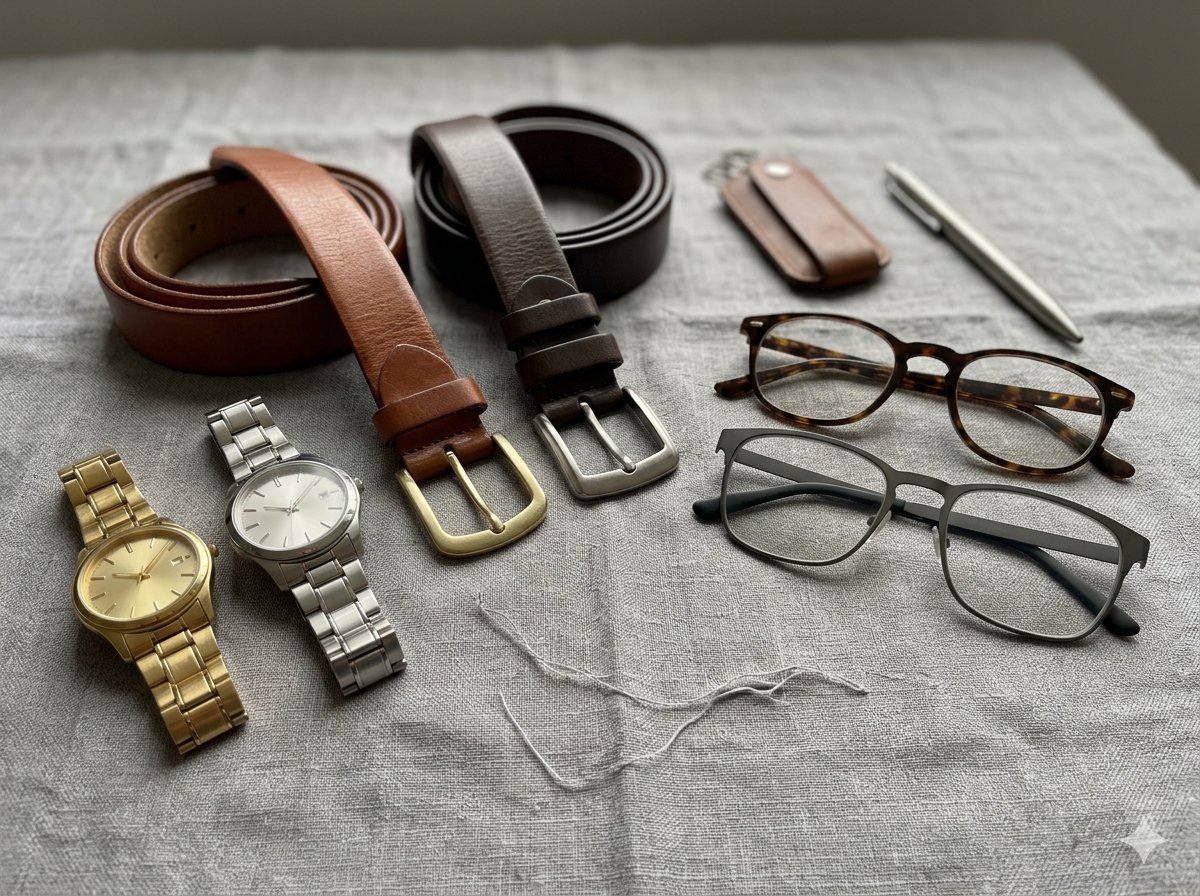
- Warm undertone (Spring, Autumn) → yellow gold, rose gold, bronze, copper
- Cool undertone (Summer, Winter) → silver, platinum, stainless steel, white gold
- Neutral undertone → rose gold (the perfect bridge between warm and cool)
Your watch, bracelet, cufflinks and ring should stay within the same metal family. Mixing gold and silver creates visual dissonance, unless done intentionally and with full control.
Glasses and Frames
- Warm profiles → light tortoiseshell, honey brown, gold, olive green
- Cool profiles → black, grey, navy, silver
Avoid frames that create harsh contrast with your complexion. A Spring man with golden skin will look far better in a warm tortoiseshell frame than in a thick black one.
Belts and Shoes
- Warm profiles → cognac, honey brown, camel, natural tan leather
- Cool profiles → black, cool burgundy, dark grey, near-black brown
The classic rule, match your belt to your shoes, still applies. Go further by choosing the right leather tone for your colour profile. An Autumn man in a warm taupe suit with cognac Oxfords and matching belt creates perfect harmony. A Winter man in a charcoal suit with black Derbies underlines his natural contrast.
If you'd like professional guidance, colour analyst near you across the UK, in London, Manchester, Birmingham, Edinburgh and beyond, offer dedicated sessions for men to help you build a wardrobe that works.
Frequently Asked Questions
How do I find my colour season as a man?
Start with the wrist vein test in natural light to identify your undertone (green = warm, blue = cool). Then observe your physical characteristics: hair colour, exact eye shade, how easily you tan or burn. Cross-reference with the four season profiles. If you're uncertain between two similar seasons, a professional colour analysis session will usually resolve the question definitively.
What suit colour works best for olive or darker skin tones?
Darker skin tones exist across all undertones. If yours is warm (golden or olive cast), suits in brown, beige, warm navy or forest green will work brilliantly. If it's cool (ashy or blueish tones), go for charcoal, cool navy, cool burgundy or black. The vein test identifies your temperature regardless of your skin depth.
Gold or silver, how do I choose a watch based on my colour analysis?
Check your wrist veins in natural light. Greenish veins mean a warm undertone: choose yellow gold, rose gold or bronze. Blue-purple veins mean a cool undertone: stainless steel, platinum or white gold will suit you. If you're neutral, rose gold bridges both registers beautifully. Apply the same rule consistently across all your metal accessories for visual coherence.
Which colours should warm-toned men avoid?
Warm profiles (Spring and Autumn) tend to look washed out in cool and intense shades: pure black, cool grey, electric blue, fuchsia, cold purple. These tones emphasise imperfections and can make the complexion look tired. Prioritise warm hues: beige, camel, brown, olive green, coral, terracotta and gold. If you must wear black (black tie events), balance with an ivory shirt and warm accessories.
Does colour analysis work for men of colour, Black, Asian, mixed heritage?
Absolutely. Colour analysis is based on undertone, not skin depth. A man with deep brown skin can be Autumn (warm undertone, golden or reddish tones) or Winter (cool undertone, ashy or bluish tones). An East Asian man can be Spring (warm golden skin) or Summer (cool beige complexion). The vein and jewellery tests work across all ethnicities and skin depths.
Can men who aren't Winter wear black?
Yes, in moderation and with the right balance. Pure black is Winter's signature because their natural contrast carries it. Other seasons can use black in small doses (shoes, belts, accessories) or pair it with their natural palette colours. An Autumn man in black trousers with a camel knitwear is perfectly coherent. A Spring man can choose a faded or washed black rather than jet black.
Does beard colour affect my colour season?
Your beard doesn't change your undertone, but it can affect how your season reads. A red or auburn beard reinforces an Autumn profile; a salt-and-pepper beard can enhance a Winter reading. Factor in your beard colour when doing your overall assessment, especially if it differs noticeably from your natural hair colour.
"There is nothing that is a bigger bang for your buck than colour analysis."
Build Your Style with Coherence and Confidence
You now have the tools to identify your colour season and apply it to your wardrobe, from formal suits to weekend casuals, from your watch to your leather shoes. Every decision becomes simpler when you know which colours are naturally yours.
Colour analysis isn't a rigid system of rules and forbidden shades. It's a framework that helps you make consistently flattering choices. You can wear virtually any colour, it's about finding the right shade within that family. An Autumn man can wear blue, just in a warm teal rather than a cool electric blue.
If you'd like a personalised session, colour analysis specialists in the UK across the UK offer dedicated consultations for men, in person or online, to help you refine your profile and build a wardrobe tailored to your palette.