Key Takeaways
- Your colour season (Spring, Summer, Autumn, Winter) determines which makeup shades genuinely flatter your complexion
- Your skin undertone, warm, cool or neutral, matters more than your skin depth when choosing foundation
- Each season has dedicated palettes for eyes, lips and blush that create effortless, natural harmony
- Colour correction for dark circles and blemishes also varies depending on your season
- Always test makeup in natural daylight, artificial store lighting distorts colour perception
British beauty culture has long celebrated experimentation, but copying a celebrity's makeup look rarely works in real life. The shade that appears stunning on screen belongs to a specific colour profile, not necessarily yours. Personal colour analysis, increasingly popular across London, Manchester and beyond, offers a systematic framework for building a makeup kit that enhances rather than competes with your natural colouring. This guide walks through how colour season principles apply to every product in your beauty bag, from foundation to lipstick.
Understanding Your Skin Undertone
Your undertone is the fixed, underlying hue that sits beneath the surface of your skin, distinct from your tan, flush or natural skin depth, which all shift with the seasons or circumstances. Getting your undertone right is the single most important step in colour analysis for makeup, because it determines whether warm or cool shades will work in harmony with your complexion.
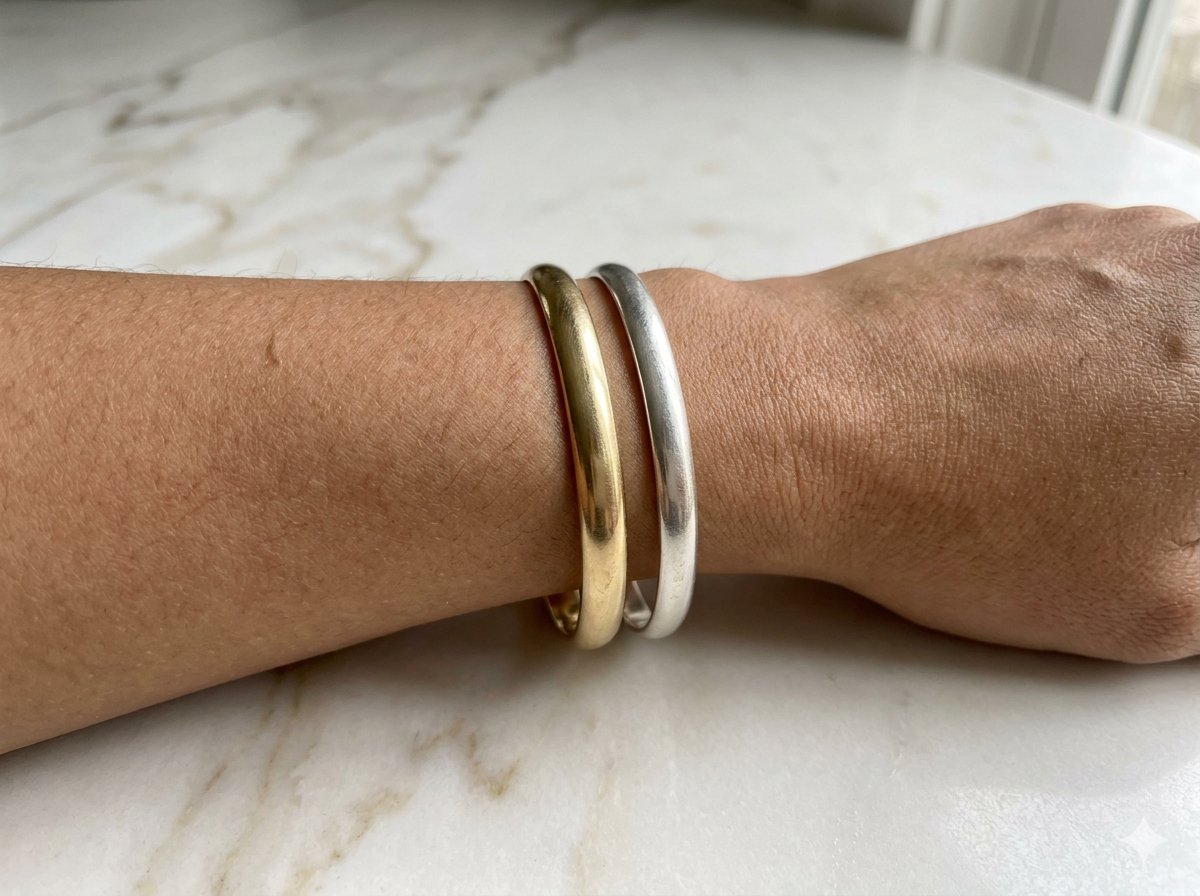
The vein test is the quickest method: look at the inside of your wrist in natural light. Veins that appear greenish indicate a warm undertone; blue-purple veins point to a cool undertone; blue-green veins suggest a neutral undertone. A complementary check is the metals test, does gold jewellery make your skin glow, or does silver flatter you more? Gold suits warm undertones; silver suits cool; both work equally well for neutral.

These tests direct you towards one of the four colour seasons, Spring, Summer, Autumn, Winter, each with its own makeup palette. The undertone (warm or cool) is always the first filter; depth and saturation refine the picture from there.
Foundation by Season: Finding Your Perfect Match
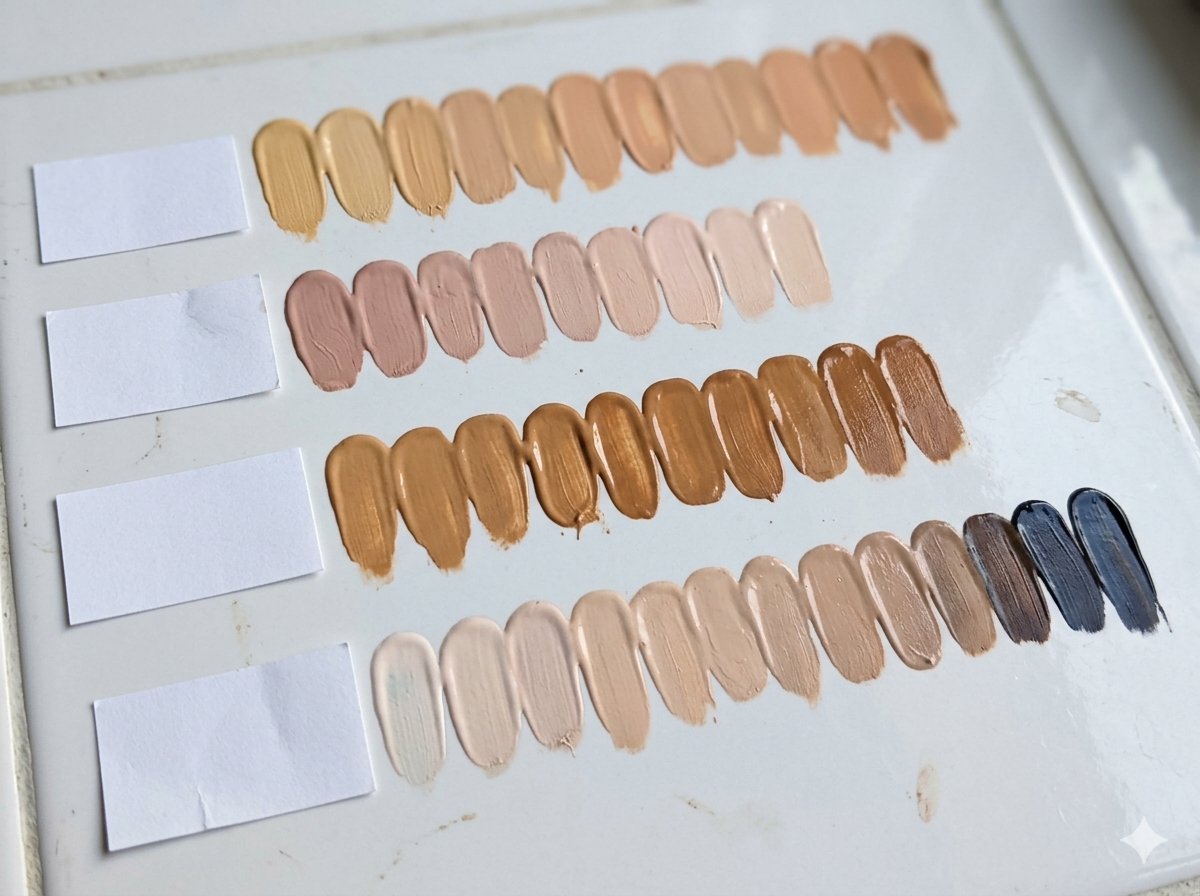
The foundation aisle is bewildering precisely because most products are labelled only by depth (fair, light, medium, deep) without any indication of undertone. Yet two foundations of identical depth, one with golden pigments, one with rose pigments, look completely different on skin. Matching your season means matching both depth and undertone.
"All of my previous tries, MAC, Smashbox, Bobbi Brown, are far too yellow on me. I finally found it yesterday: MUFE's Mat Velvet+ in 15.", Brittany, via Temptalia
"Most foundations either turn orange on me with yellow-toned ones, or go pink/grey with pink-toned ones. Undertone matching changed everything.", Sabrinna, via Temptalia
Spring Foundation
Spring complexions carry a warm undertone with a clear-to-golden cast, often with ivory, peachy or golden-beige notes. Foundations with warm-leaning pigments, golden ivory, peachy beige, warm honey, blend seamlessly. Formulas with a subtle luminous finish enhance the natural radiance typical of Spring colouring. Avoid ashy or rosy bases, which leave the complexion looking dull or grey.
Summer Foundation
Summer skin presents a cool undertone in fair-to-medium depths, typically with rose-beige or light olive notes. Look for bases labelled rose beige, cool porcelain, pink-beige or lightly taupe for deeper tones. Golden or orange-tinted foundations create an obvious mismatch with Summer's naturally cool complexion, resulting in a mask-like effect.
Autumn Foundation
Autumn complexions have distinctly warm undertones with golden, olive or caramel depths, sometimes the richest in the seasonal palette. Foundations in golden beige, warm caramel, bronze or amber work beautifully. Products with copper or golden pigments naturally amplify the characteristic warmth and glow of Autumn colouring. Pink or cool-toned bases leave the skin looking flat and artificial.
Winter Foundation
Winter skin features a cool undertone and is notable for the contrast between skin and other features, whether porcelain-fair or very deep. Pure porcelain, cool beige, cold coffee tones or blue-ebony provide the right base. Warm or golden foundations produce an unflattering orange cast that clashes with the inherently cool quality of Winter colouring.
| Season | Undertone | Recommended Foundation Shades |
|---|---|---|
| Spring | Warm | Golden ivory, peachy beige, warm honey, apricot |
| Summer | Cool | Rose beige, cool porcelain, pink-beige, light taupe |
| Autumn | Warm | Golden beige, warm caramel, bronze, amber, terracotta |
| Winter | Cool | Pure porcelain, cool beige, cold coffee, blue-ebony |
Eye Makeup by Colour Season
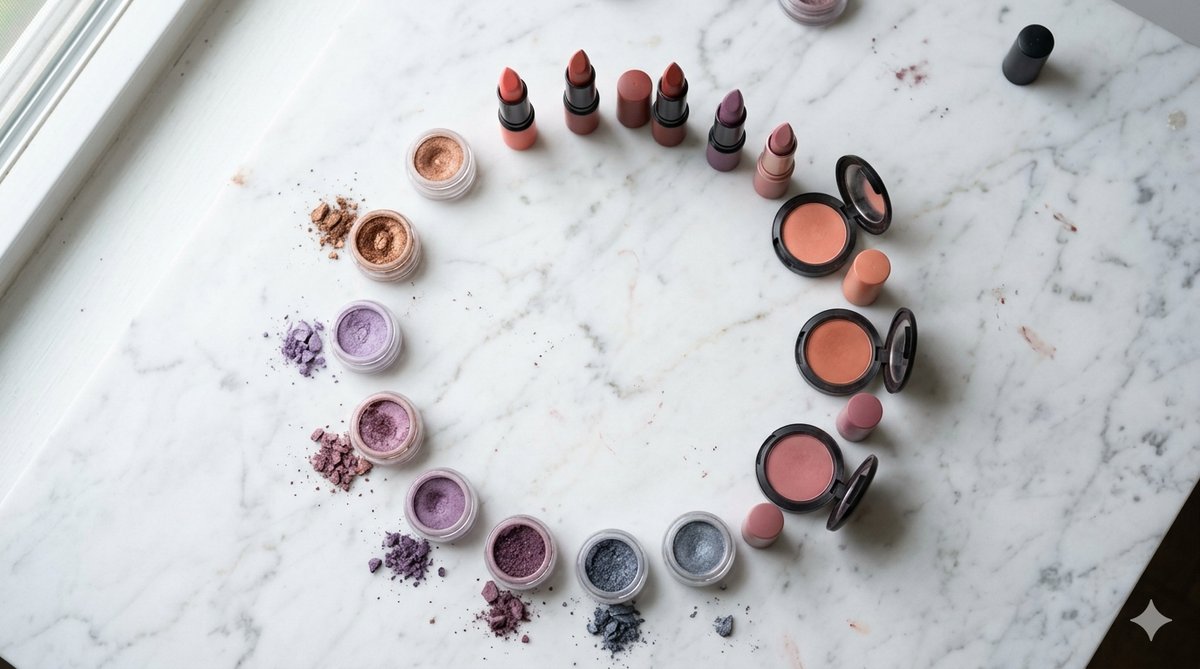
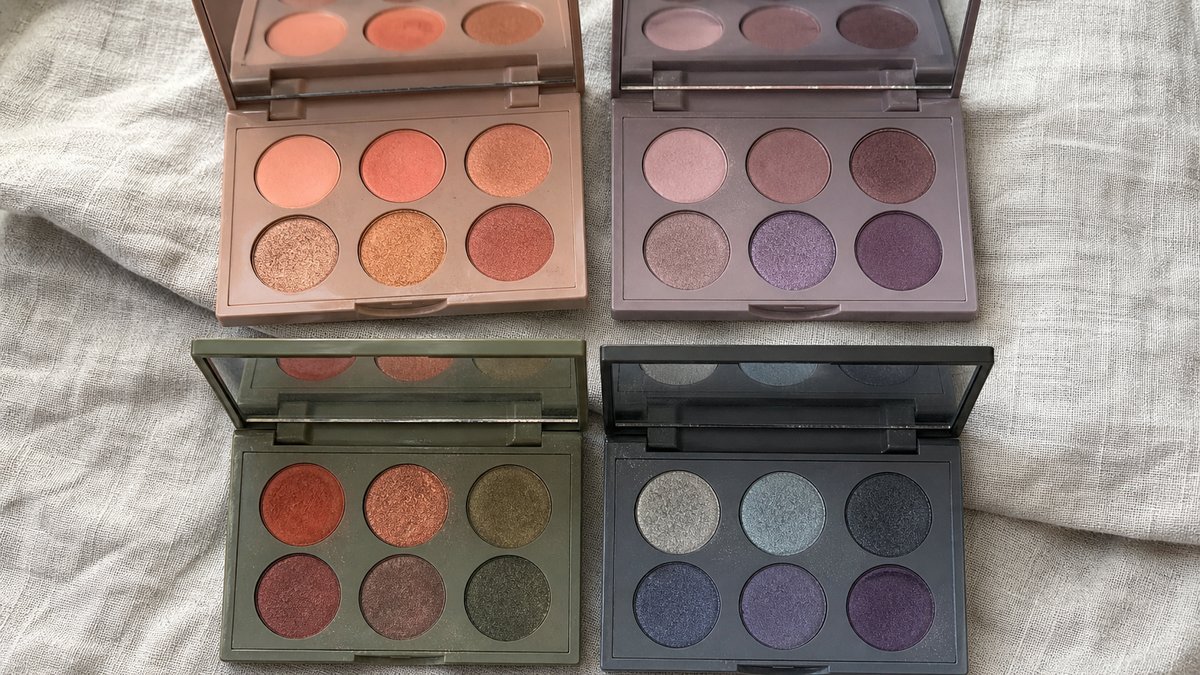
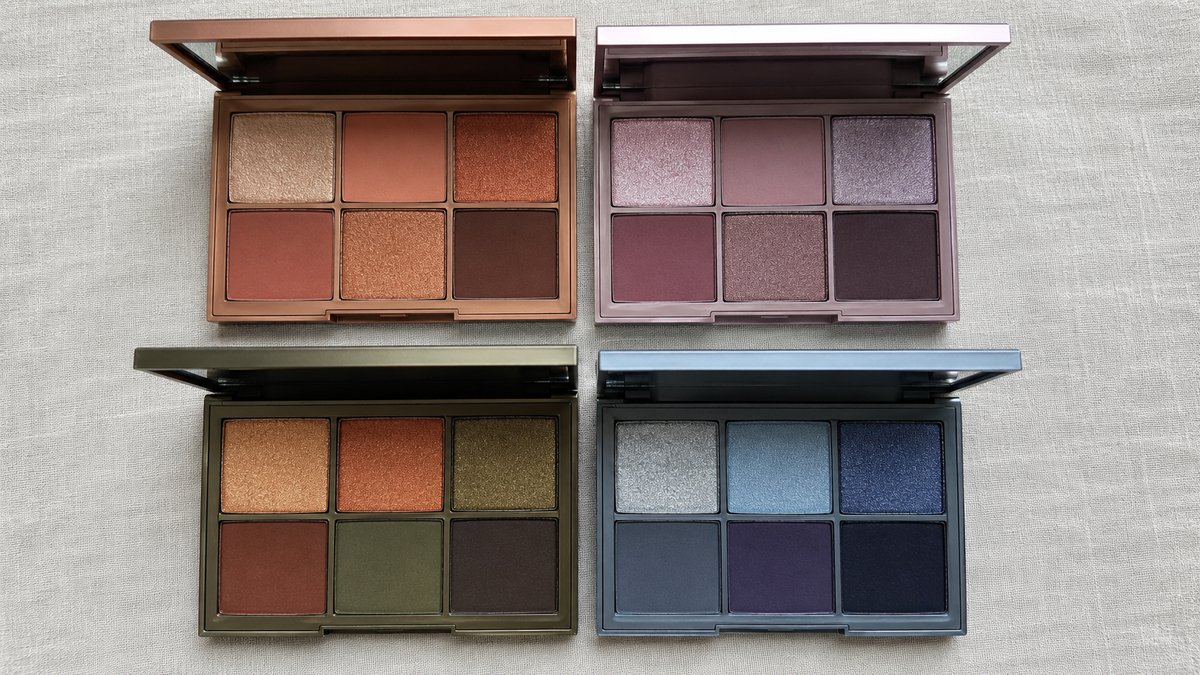
The principle behind eye makeup and colour analysis is straightforward: complementary colours intensify the iris, while shades within your season ensure the overall look stays cohesive. A warm eyeshadow on a cool-season complexion can look beautiful in isolation but jarring as part of the complete look.
Spring Eye Palette
Warm, luminous shades define the Spring eye look: peach, coral, golden bronze, apple green, warm turquoise, warm purple and caramel. Blue eyes pop with copper and peachy-gold shades. Green eyes deepen beautifully under warm plum and bronze tones. Brown eyes come alive under spring greens and gold highlights.
Summer Eye Palette
Soft, cool and muted tones suit Summer perfectly: dusty rose, soft mauve, slate blue, cool plum, rosy taupe and lavender. Cool pinks and mauves intensify blue eyes. Green eyes benefit from cool plum and rosy taupe. Brown eyes are flattered by slate blues and lavender tones.
Autumn Eye Palette
Rich, earthy warmth characterises Autumn eye looks: burnt sienna, rust, deep olive, warm plum, bronze, copper and antique gold. Green eyes vibrate under rust and warm plum. Brown eyes deepen with olives and bronzes. Hazel eyes find their maximum brilliance in copper and sienna tones.
Winter Eye Palette
Cool, bold and intense colours belong to Winter: steel grey, deep cool plum, ice blue, true black, silver, hot pink and violet. Grey and cool plum shades create a striking intensity with blue eyes. Dark brown eyes gleam under silver and smoked black. Deep green eyes are electrified by cool violet tones.
Still uncertain about your season? Our colour analysis experts across the UK offer in-person consultations for a definitive analysis.
Lipstick and Blush: Shades That Truly Flatter
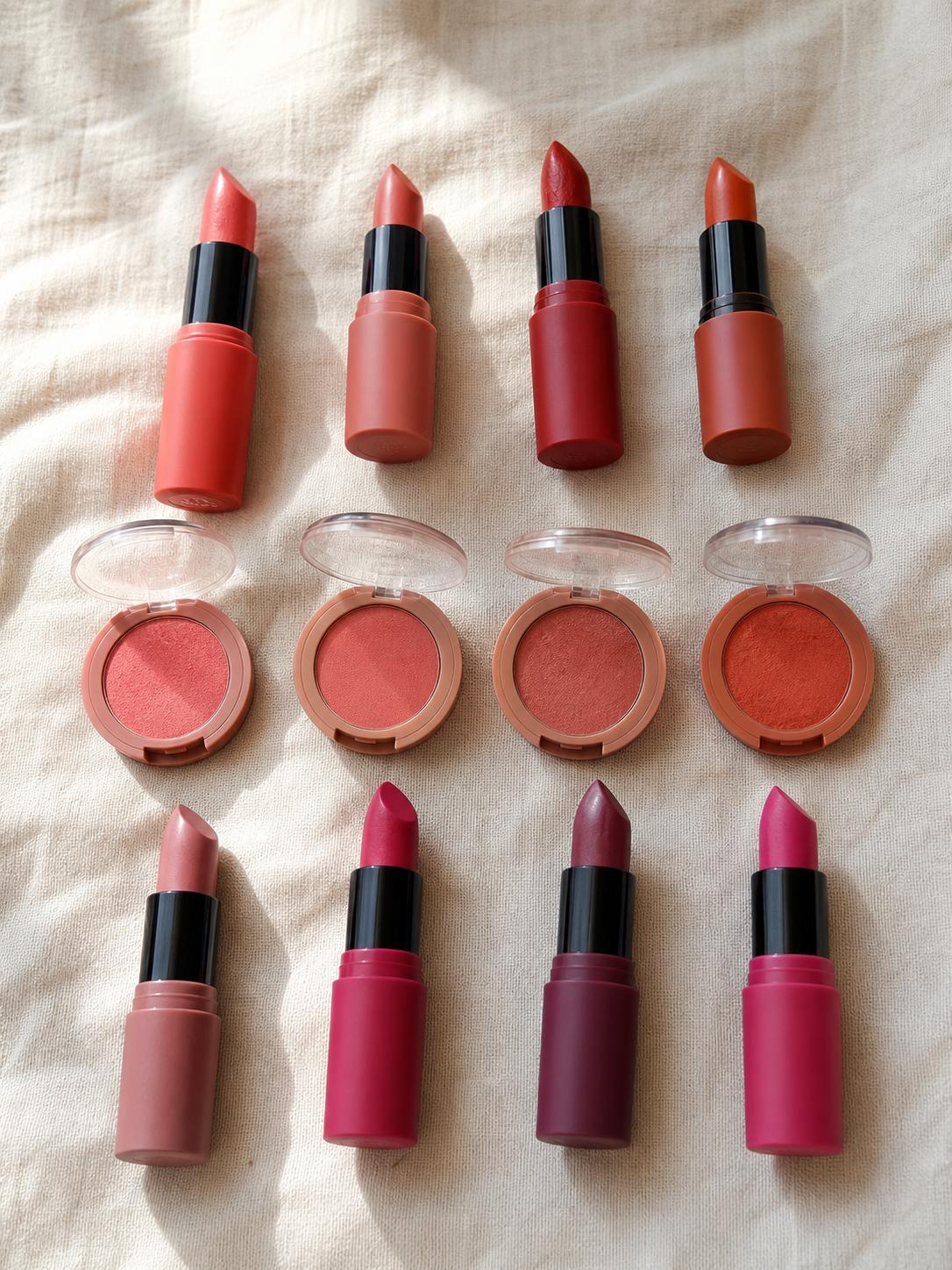
Lipstick and blush work as a pair, they should harmonise with each other and with your season. A blush in the wrong undertone undermines even a perfect foundation; a lipstick that clashes with your palette creates a jarring focal point rather than a polished finish.
Spring Lips and Blush
Coral, peach, poppy red, salmon pink and warm nude are the Spring lipstick signatures. Blush in peach, apricot or light coral amplifies the natural vitality of Spring colouring. Deep plums or cool berries create a heavy, discordant effect on warm Spring complexions.
Summer Lips and Blush
Dusty rose, soft mauve, raspberry (cool), rose nude and light plum flatter Summer. Blush in powder pink, soft mauve or cool rose provides gentle freshness without harsh contrast. Terracotta or orange-based shades look out of place on Summer's cool, refined complexion.
Autumn Lips and Blush
Brick, terracotta, warm plum, caramel nude and burnt orange are Autumn's statement shades. Deep peach, terracotta or warm brown-rose blush enriches the golden warmth of Autumn skin. Cool berry shades compete rather than complement.
"I always have some sort of 'orangy' look to me with warm foundations, turns out I needed a cool-toned base, not just a lighter shade.", Nicole, via Temptalia
Winter Lips and Blush
True red, fuchsia, deep cool plum, cool rose nude and cold burgundy make bold, flattering choices for Winter. Blush in vivid pink, fuchsia or light plum creates the striking contrast that suits Winter's high-contrast colouring. Peachy or orange-tinted blush looks washed out or garish against Winter skin.
Colour Correction: Concealing Dark Circles and Redness
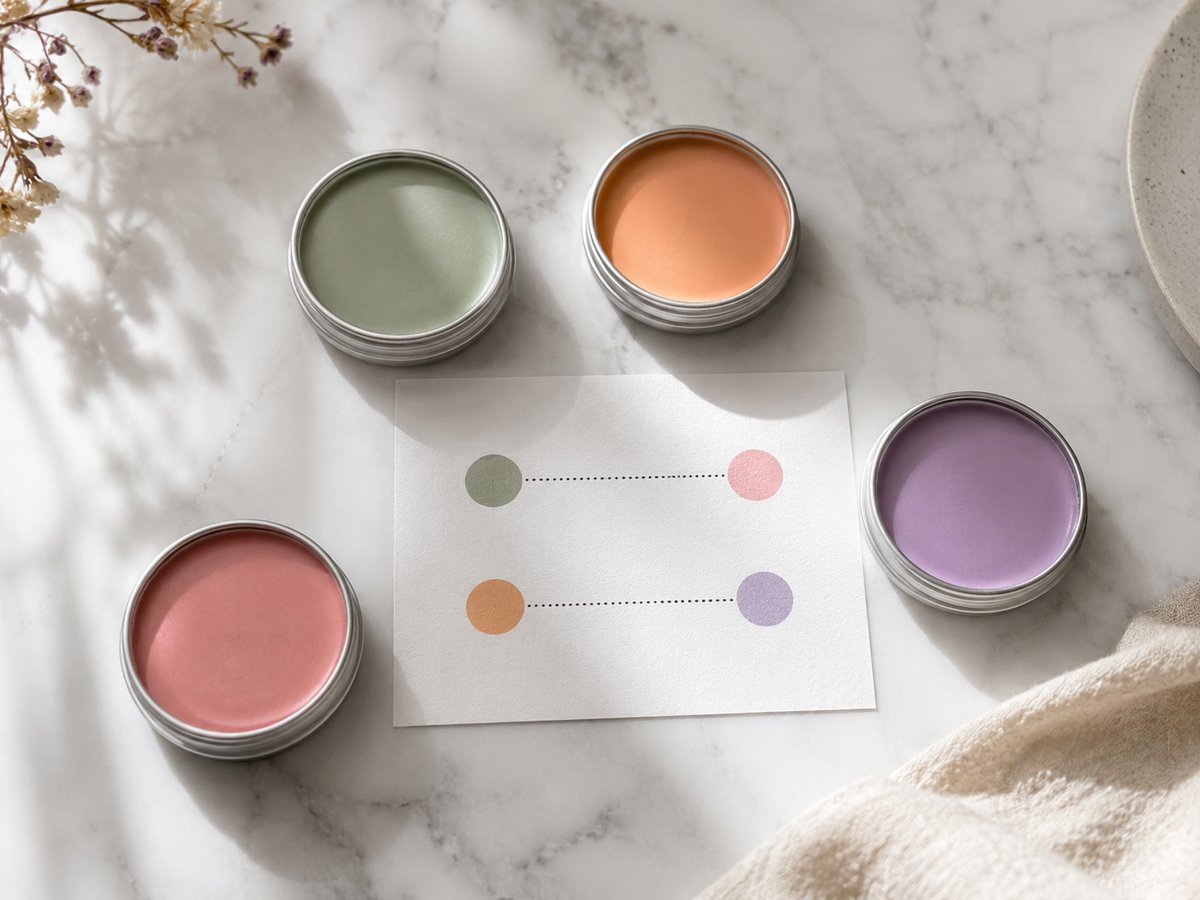
The colour wheel principle, each colour neutralises its opposite, underpins all corrective makeup. Orange or peach cancels blue-toned circles; green counteracts redness; lilac balances yellow-brown patches. Crucially, the specific shade of corrector should align with your season's undertone.
Dark Circles by Season
For blue or purple circles: Spring and Autumn call for a warm peach or soft orange corrector; Summer and Winter work better with a pink-peach or cool salmon. Brown or greenish circles, more common in darker complexions, respond to a rosé or pale violet corrector regardless of season. Apply in a gentle triangle shape under the eye, blend softly, then layer foundation on top.
Redness and Pigmentation
Green corrector is the standard tool for redness. For warm-season skin (Spring, Autumn), a yellow-green tone is most natural; for cool-season skin (Summer, Winter), a blue-green shade is preferable. Brown spots and hyperpigmentation respond to a lavender or lilac corrector, choose a lighter shade for fair skin, a more saturated one for deeper complexions. Always apply corrector before foundation and set lightly with powder.
Application Tips for a Polished Finish
The Natural Light Rule
Department store lighting, typically warm and flattering, masks foundation mismatches. Always step outside or test near a window in daylight before committing to a purchase. Apply a stripe of foundation along your jawline and wait two to three minutes for it to oxidise slightly. The right shade vanishes into your skin; the wrong shade leaves a visible line.
Draping: The Professional's Shortcut
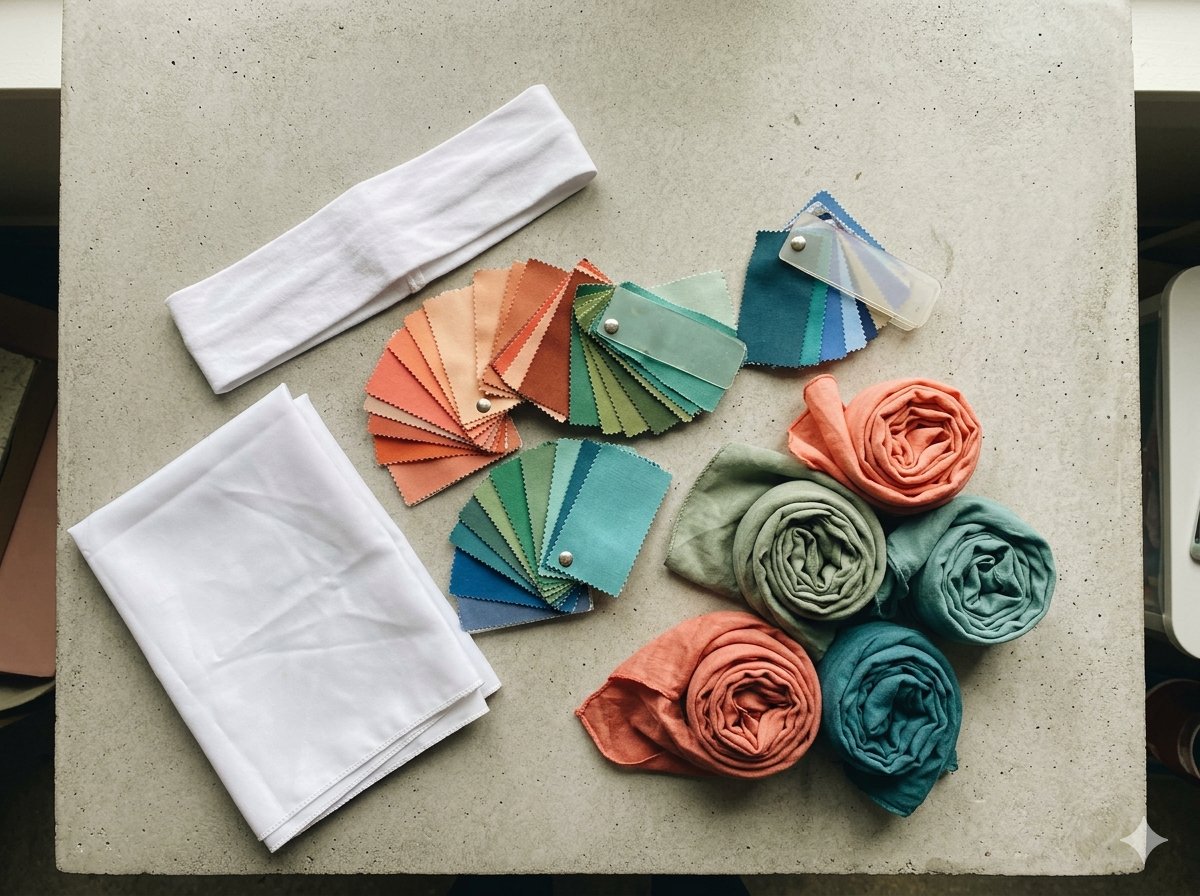
Draping involves holding coloured fabric close to your bare face in natural light to observe the immediate effect on your complexion. A harmonious colour lifts the skin, balances features and diminishes shadows under the eyes. A discordant colour does the opposite, dulling the skin or accentuating imperfections. This technique works equally well for choosing eyeshadow, lipstick or blush colours in-store.

Building Your Kit Gradually
Discovering your season does not mean discarding everything you own. Begin with the highest-impact essentials: a correctly undertoned foundation, one blush within your palette, and two or three versatile lipsticks. Add eyeshadows, highlighters and correctors as products run out, replacing each one with a season-appropriate alternative. The result accumulates naturally over time.
Frequently Asked Questions
How do I determine my colour season for makeup?
Combine two or three simple tests. Check your wrist veins in natural light (green = warm, blue-purple = cool). Compare how gold and silver jewellery looks against your bare skin. Observe whether you tan easily with golden undertones (warm seasons: Spring/Autumn) or tend to burn or develop ashy undertones when tanned (cool seasons: Summer/Winter). For a definitive answer, a colour analysis test or in-person session with a certified analyst removes all doubt.
What foundation undertone suits a warm complexion?
Warm complexions need foundations with golden, peach, yellow or ivory-warm pigments. Avoid any base described as "rose", "cool" or "ashy", these will appear grey on your skin in daylight. Always test on your jawline outdoors: the right undertone blends invisibly; the wrong one leaves a detectable line.
Can I wear cool-toned lipstick if I'm a warm season?
Occasionally, as an accent. A berry or plum lipstick on a Spring or Autumn complexion can work in a dramatic, high-fashion context. For day-to-day wear, however, staying within your season's undertone palette produces consistently flattering results with no effort. The further you stray from your undertone, the more the rest of your makeup needs adjusting to compensate.
Which lipstick shade suits each colour season?
Spring: coral, peach, poppy red. Summer: dusty rose, soft mauve, cool raspberry. Autumn: brick, terracotta, warm plum. Winter: true red, fuchsia, deep cool plum. The warm/cool undertone rule applies in every case.
How do I choose the right blush for my season?
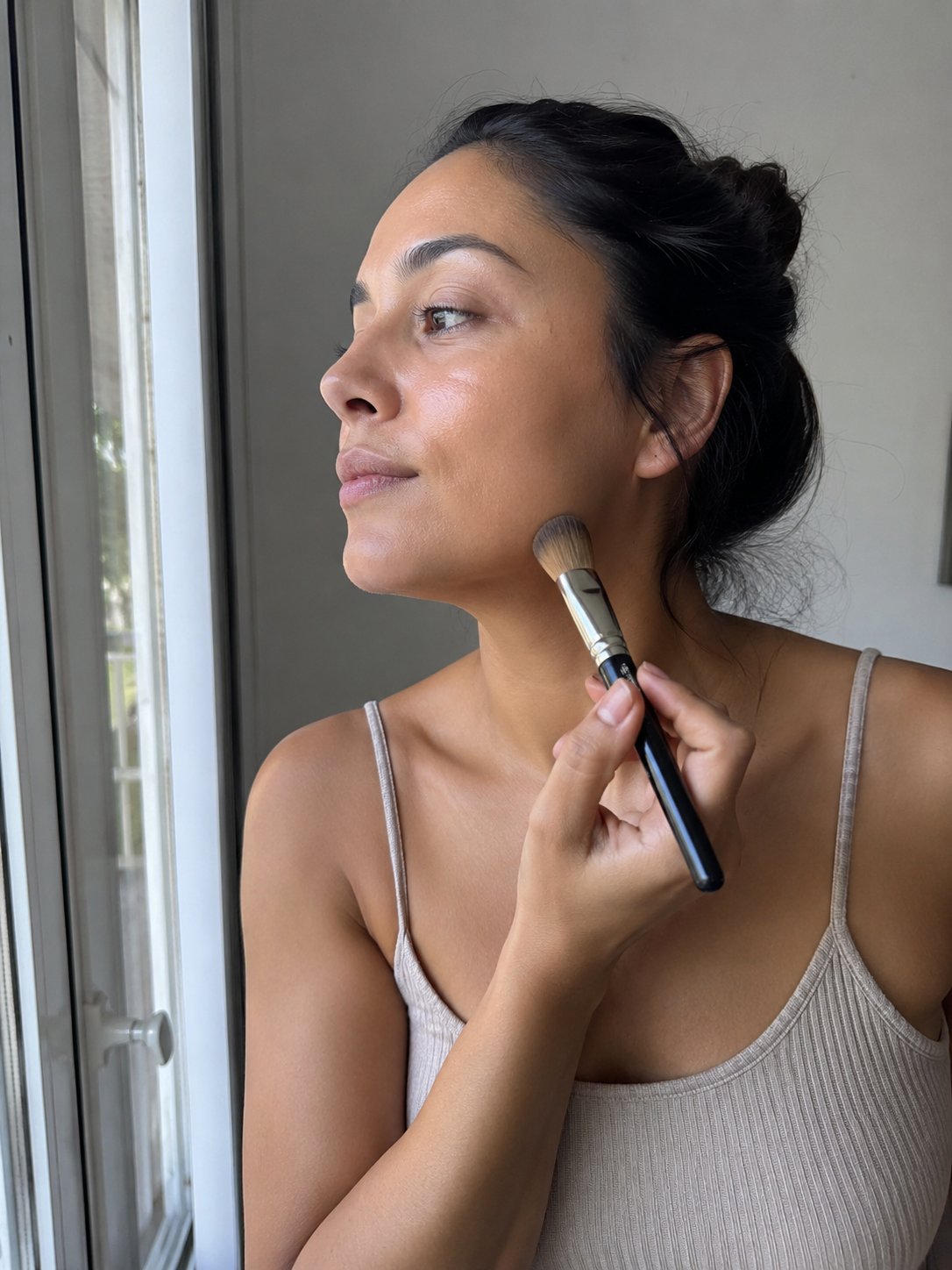
Your blush should harmonise with your lipstick shade and share the same undertone warmth. Spring: peach and coral. Summer: powder pink and soft mauve. Autumn: terracotta and deep peach. Winter: vivid pink and fuchsia. Apply along the cheekbone, sweeping towards the temple for the most natural result.
Is it possible to be between two colour seasons?
Yes, this is particularly common between Spring and Autumn (both warm) or Summer and Winter (both cool). In practice, test the palettes of both adjacent seasons and note which one consistently makes your complexion look more luminous and balanced. Your dominant undertone, warm or cool, is always the deciding factor, even when the secondary characteristics feel ambiguous.
Conclusion: Colour Analysis as a Long-Term Beauty Investment
Colour analysis transforms makeup from a series of guesses into a coherent system. Understanding your season and undertone means every product you buy, foundation, eyeshadow, blush, lipstick, has a clear reason to be in your kit. The cumulative effect is a face that consistently looks considered, harmonious and refreshed rather than assembled at random.
The principles are learnable, but applying them in practice, especially when two shades look almost identical in-store, takes time and experience. If you want to shortcut that learning curve, a consultation with a professional colour analyst is the fastest route to clarity. Find our colour analysis experts across London, Manchester, Birmingham and the rest of the UK for a personalised session that will reshape your approach to beauty products.